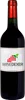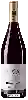
Winery Kloster MarienthalMarie Vallée Spätburgunder Halbtrocken
 Red wine



In the mouth this red wine is a with a nice freshness.
This wine generally goes well with poultry, beef or veal.

Taste structure of the Marie Vallée Spätburgunder Halbtrocken from the Winery Kloster Marienthal
Light | Bold | |
Smooth | Tannic | |
Dry | Sweet | |
Soft | Acidic |
In the mouth the Marie Vallée Spätburgunder Halbtrocken of Winery Kloster Marienthal in the region of Ahr is a with a nice freshness.


Food and wine pairings with Marie Vallée Spätburgunder Halbtrocken
Pairings that work perfectly with Marie Vallée Spätburgunder Halbtrocken



Original food and wine pairings with Marie Vallée Spätburgunder Halbtrocken

The Marie Vallée Spätburgunder Halbtrocken of Winery Kloster Marienthal matches generally quite well with dishes of beef, veal or game (deer, venison) such as recipes of american fillet (belgian-style beef tartar), veal tagine with carrots or rabbit fillet with mustard.
Details and technical informations about Winery Kloster Marienthal's Marie Vallée Spätburgunder Halbtrocken.
Discover the grape variety: Othello
Colourful reds with the characteristic foxy taste of Vitis labrusca, a sustained ruby robe, soft tannins and an airy palate, with typical labruscoid aromas (wild strawberry, candy). In France, it is among the six hybrids banned since 1935 (with Clinton, Herbemont, Isabelle, Jacquez, Noah), still found in heritage trellises. French black hybrid obtained by Henri Bouschet (folle blanche × clinton).
Last vintages of this wine
The best vintages of Marie Vallée Spätburgunder Halbtrocken from Winery Kloster Marienthal are 0
Informations about the Winery Kloster Marienthal
The Winery Kloster Marienthal is one of of the world's greatest estates. It offers 11 wines for sale in the of Ahr to come and discover on site or to buy online.

The wine region of Ahr
Small German valley south of Bonn, the country's largest contiguous single red-grape zone. Signature Spatburgunder (Pinot Noir) (>60%): elegant, structured reds with signature notes of cherry, raspberry, wild strawberry, undergrowth and sweet spice, silky tannins and taut freshness — Burgundian style in an improbable climate. Also early Fruhburgunder, fleshier. ~560 ha on steep slopes over schist and slate, sheltered temperate microclimate.
The word of the wine: Hygrometry
Humidity level of the cellar necessary for a good ageing of the wines. The recommended hygrometry is around 70% in order to guarantee a good elasticity of the corks while preserving the labels.