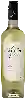
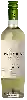
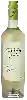
The Winery Kaiken of Lujan de Cuyo of Mendoza
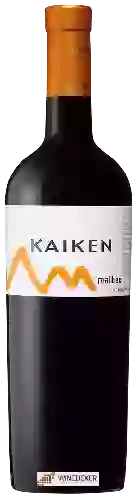
The Winery Kaiken is one of the largest wineries in the world. It offers 38 wines for sale in of Lujan de Cuyo to come and discover on site or to buy online.
Looking for the best Winery Kaiken wines in Lujan de Cuyo among all the wines in the region? Check out our tops of the best red, white or effervescent Winery Kaiken wines. Also find some food and wine pairings that may be suitable with the wines from this area. Learn more about the region and the Winery Kaiken wines with technical and enological descriptions.
How Winery Kaiken wines pair with each other generally quite well with dishes of beef, lamb or poultry such as recipes of beef colombo bourguignon style, lamb chops with figs and honey or chicken breast with cream and mushrooms.
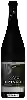
On the nose the red wine of Winery Kaiken. often reveals types of flavors of cream, cherry or oaky and sometimes also flavors of smoke, apples or earthy. In the mouth the red wine of Winery Kaiken. is a powerful.
Luján de Cuyo is a wine-producing sub-region of Argentina's largest viticultural area, Mendoza. Unsurprisingly, Malbec is the region's most-important grape variety, producing Bold, intensely flavored red wines. Excellent wines are also produced here from Cabernet Sauvignon, Chardonnay and Torrontés.
Located in a valley just South of Mendoza City itself, the Luján de Cuyo region is home to some of the most famous names in Argentinean wine.
These include Catena Zapata, Bodega Septima and Cheval des Andes.
The small town of Luján de Cuyo is on the northern banks of the Mendoza River. From here the viticultural area of the same name stretches south for roughly 30 kilometers (20 miles) between the Andes Mountains in the west and the Lunlunta hills in the east.
The region was the first in Argentina to be officially recognized as an appellation in 1993, and includes the wine-producing zones of Vistalba, Las Compuertas, Perdriel, Agrelo and Ugarteche.
MaipuLies directly east of Luján de Cuyo and the Uco Valley is to the south.
The region's position on the edge of the imposing Andes mountain chain has an enormous effect on the Terroir. The hot, DryClimate is moderated by the high altitude of the region, averaging about 1000m (3300ft) above sea level.
At this altitude, the vineyards are subject to more-intense solar radiation during the day than lower-lying areas.
How Winery Kaiken wines pair with each other generally quite well with dishes of beef, spicy food or mature and hard cheese such as recipes of baked marrow bones, pasta shells or buckwheat cake à la bretonne.
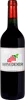
On the nose the pink wine of Winery Kaiken. often reveals types of flavors of cherry, strawberries or non oak and sometimes also flavors of oak, red fruit or earth.
Merlot is a red grape variety with small black berries that appeared at the end of the 18th century. It is produced in most of the Bordeaux terroirs, where it represents 58% of the planted area, and its best terroir is located in Pomerol and Saint-Emilion on cool, clay-limestone soils. At the mythical Château Pétrus, the wine is made with 95% Merlot, with a dark, dense colour, aromas of red and black fruits and a superb range of flavours, the Merlot transforms during its ageing to give way to notes of prunes, undergrowth and spices. On the palate, it is supple with distinguished tannins. It is often blended with Cabernet Sauvignon. Merlot is no longer exclusive to Bordeaux, it is nowadays vinified all over the world.
How Winery Kaiken wines pair with each other generally quite well with dishes of veal, pork or game (deer, venison) such as recipes of stuffed squid in the sétoise sauce, beef stew or duck legs confit.
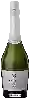
On the nose the sparkling wine of Winery Kaiken. often reveals types of flavors of non oak, earth or microbio and sometimes also flavors of vegetal, oak or tree fruit.
Generic term for wines containing residual sugar (natural sugars in the grapes that have not been transformed into alcohol). It is also used to describe a wine with a dominantly sweet flavour, without further explanation.
How Winery Kaiken wines pair with each other generally quite well with dishes of shellfish, vegetarian or goat cheese such as recipes of californian sushi (reverse maki), light tuna-tomato quiche (without cream) or pasta with zucchini sauce.
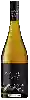
On the nose the white wine of Winery Kaiken. often reveals types of flavors of vegetal, tree fruit or citrus fruit and sometimes also flavors of tropical fruit, non oak or earth. In the mouth the white wine of Winery Kaiken. is a powerful with a nice freshness.
Cabernet Franc is one of the oldest red grape varieties in Bordeaux. The Libourne region is its terroir where it develops best. The terroirs of Saint-Emilion and Fronsac allow it to mature and develop its best range of aromas. It is also the majority in many blends. The very famous Château Cheval Blanc, for example, uses 60% Cabernet Franc. The wines produced with Cabernet Franc are medium in colour with fine tannins and subtle aromas of small red fruits and spices. When blended with Merlot and Cabernet Sauvignon, it brings complexity and a bouquet of aromas to the wine. It produces fruity wines that can be drunk quite quickly but whose great vintages can be kept for a long time. It is an earlier grape variety than Cabernet-Sauvignon which means that it is also well planted further north, as far as the Loire Valley. In Anjou, it is also used to make sweet rosé wines. Cabernet Franc is now used in some twenty countries in Europe and throughout the world.
Planning a wine route in the of Lujan de Cuyo? Here are the wineries to visit and the winemakers to meet during your trip in search of wines similar to Winery Kaiken.
The white Chardonnay is a grape variety that originated in France (Burgundy). It produces a variety of grape specially used for wine making. It is rare to find this grape to eat on our tables. This variety of grape is characterized by small bunches, and small grapes. White Chardonnay can be found in many vineyards: South West, Burgundy, Jura, Languedoc & Roussillon, Cognac, Bordeaux, Beaujolais, Savoie & Bugey, Loire Valley, Champagne, Rhone Valley, Armagnac, Lorraine, Alsace, Provence & Corsica.