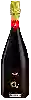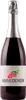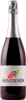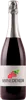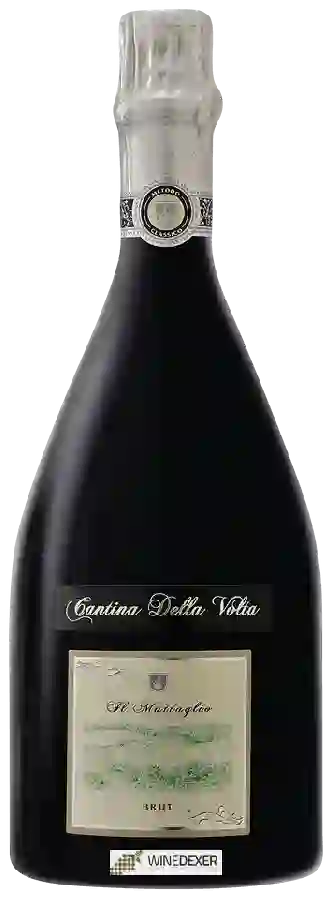
Winery Cantina della VoltaIl Mattaglio Brut
 Sparkling wine


This wine is composed of 100% of the grape variety Pinot Nero.
This wine generally goes well with pork, vegetarian or poultry.

Wine flavors and olphactive analysis

Food and wine pairings with Il Mattaglio Brut
Pairings that work perfectly with Il Mattaglio Brut



Original food and wine pairings with Il Mattaglio Brut



The Il Mattaglio Brut of Winery Cantina della Volta matches generally quite well with dishes of beef, lamb or pork such as recipes of chinese noodles with beef, slippers with lamb or basque chicken with chorizo.
Details and technical informations about Winery Cantina della Volta's Il Mattaglio Brut.
Discover the grape variety: Chardonnay
Whites with many faces: mineral and taut at Chablis (lemon, green apple, flint), opulent and buttery at Meursault and Puligny-Montrachet (hazelnut, brioche, yellow fruits), tense and chalky in Champagne (Blanc de Blancs). Also vinified sparkling and widely exported (Sonoma, Margaret River, Casablanca). A Burgundian variety, a cross of Pinot Noir × Gouais Blanc, half-sibling of Aligoté.
Last vintages of this wine

The best vintages of Il Mattaglio Brut from Winery Cantina della Volta are 2011, 2017, 2013, 0 and 2018.
Informations about the Winery Cantina della Volta
The Winery Cantina della Volta is one of of the world's greatest estates. It offers 16 wines for sale in the of Emilia-Romagna to come and discover on site or to buy online.

The wine region of Emilia-Romagna
Kingdom of Lambrusco: fresh, fruity sparkling reds (blackberry, cherry, violet), from gourmet dry to convivial off-dry, perfect with local charcuterie. World's best-selling sparkling wine on the Emilia side (Sorbara, Grasparossa, Salamino). East, Romagna: supple fruity Sangiovese, Albana (Italy's 1st white DOCG, 1987) ample and almondy. Also red Gutturnio and white Pignoletto.
The word of the wine: Deposit
Solid particles that can naturally coat the bottom of a bottle of wine. It is rather a guarantee that the wine has not been mistreated: in fact, to avoid the natural deposit, rather violent processes of filtration or cold passage (- 7 or - 8 °C) are used in order to precipitate the tartar (the small white crystals that some people confuse with crystallized sugar: just taste to dissuade you from it)