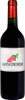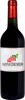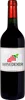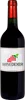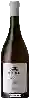
Winery Herdade Paço do CondePrimevo Selection Blanco
 White wine


In the mouth this white wine is a .
This wine generally goes well with pork, lean fish or shellfish.

Taste structure of the Primevo Selection Blanco from the Winery Herdade Paço do Conde
Light | Bold | |
Dry | Sweet | |
Soft | Acidic |
In the mouth the Primevo Selection Blanco of Winery Herdade Paço do Conde in the region of Alentejano is a .
Food and wine pairings with Primevo Selection Blanco
Pairings that work perfectly with Primevo Selection Blanco



Original food and wine pairings with Primevo Selection Blanco

The Primevo Selection Blanco of Winery Herdade Paço do Conde matches generally quite well with dishes of pasta, pork or shellfish such as recipes of pasta with tuna and tomato sauce, quiche with mixed vegetables or seafood pastilla.
Details and technical informations about Winery Herdade Paço do Conde's Primevo Selection Blanco.
Discover the grape variety: Baco blanc
Lively, acidic dry whites with a pale golden robe, taut palate and characteristically high acidity, with simple aromas of white flowers, citrus and herbal notes. Mainly destined for distillation into brandies. Pillar of Armagnac AOC, defining the aromatic identity of Landes Armagnacs and representing a significant share of the vineyard. French white hybrid created in 1898 by François Baco (Folle Blanche × Noah).
Last vintages of this wine
The best vintages of Primevo Selection Blanco from Winery Herdade Paço do Conde are 2019, 0
Informations about the Winery Herdade Paço do Conde
The Winery Herdade Paço do Conde is one of of the world's great estates. It offers 32 wines for sale in the of Alentejano to come and discover on site or to buy online.

The wine region of Alentejano
Star of southern Portugal's great reds, sunny and opulent wines. Typical blends: round fruity Aragonez (Tempranillo), spicy Trincadeira, Touriga Nacional (black fruits, violet), deep teinturier Alicante Bouschet, juicy Castelão. Fleshy reds with notes of plum, black cherry, cocoa and sweet spices, melted tannins. Ample fresh Antão Vaz and Arinto whites.
The word of the wine: Trimming
A vineyard operation consisting of pruning the upper part of the branches after lifting, either manually or using a trimming machine attached to a high-clearance tractor.