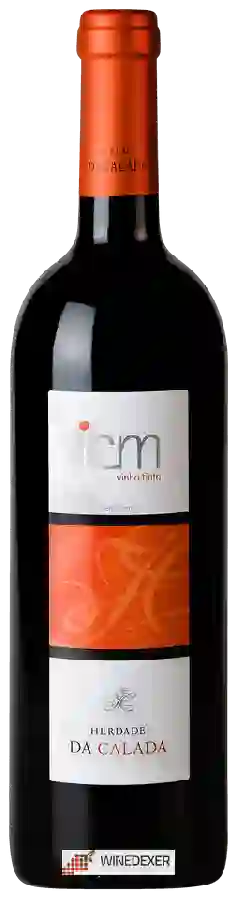
Winery Herdade da CaladaJcm Tinto
 Red wine



In the mouth this red wine is a powerful.
This wine generally goes well with poultry, beef or veal.

Taste structure of the Jcm Tinto from the Winery Herdade da Calada
Light | Bold | |
Smooth | Tannic | |
Dry | Sweet | |
Soft | Acidic |
In the mouth the Jcm Tinto of Winery Herdade da Calada in the region of Alentejano is a powerful.
Wine flavors and olphactive analysis

Food and wine pairings with Jcm Tinto
Pairings that work perfectly with Jcm Tinto



Original food and wine pairings with Jcm Tinto

The Jcm Tinto of Winery Herdade da Calada matches generally quite well with dishes of beef, lamb or veal such as recipes of blanquette of monkfish with small vegetables, chiche kebab in armenian or lamb confit with new potatoes.
Details and technical informations about Winery Herdade da Calada's Jcm Tinto.
Discover the grape variety: Exalta
Simple, fresh dry or rosé-style whites with a pale pink-copper hue, supple palate and moderate acidity, showing understated aromas of citrus and white flowers. Rustic, discreet profile. Preserved in a few ampelographic collections, it belongs to the group of ancient varieties kept for their patrimonial value and studied for their genetic interest. Rare, poorly documented grey grape variety grown in very limited quantities.
Last vintages of this wine
The best vintages of Jcm Tinto from Winery Herdade da Calada are 2005, 2011, 0, 2006
Informations about the Winery Herdade da Calada
The Winery Herdade da Calada is one of of the world's great estates. It offers 24 wines for sale in the of Alentejano to come and discover on site or to buy online.

The wine region of Alentejano
Star of southern Portugal's great reds, sunny and opulent wines. Typical blends: round fruity Aragonez (Tempranillo), spicy Trincadeira, Touriga Nacional (black fruits, violet), deep teinturier Alicante Bouschet, juicy Castelão. Fleshy reds with notes of plum, black cherry, cocoa and sweet spices, melted tannins. Ample fresh Antão Vaz and Arinto whites.
The word of the wine: SGN
Selection of noble grains. Appellation reserved for a type of sweet wine produced in Alsace.