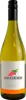
Domaine des HerbaugesCollection Terroir Cabernet
 Red wine
This wine generally goes well with poultry, beef or lamb.
The Collection Terroir Cabernet of the Domaine des Herbauges is in the top 40 of wines of Val de Loire.

Food and wine pairings with Collection Terroir Cabernet
Pairings that work perfectly with Collection Terroir Cabernet



Original food and wine pairings with Collection Terroir Cabernet

The Collection Terroir Cabernet of Domaine des Herbauges matches generally quite well with dishes of beef, lamb or spicy food such as recipes of beef stew, lamb colombo or stuffed round zucchini.
Details and technical informations about Domaine des Herbauges's Collection Terroir Cabernet.
Discover the grape variety: Cabernet-Sauvignon
Structured, tannic reds, deeply coloured, with aromas of blackcurrant, blackberry, cedar, tobacco and graphite, underpinned by firm acidity and fine ageing potential. Cornerstone of the great Médoc estates (Pauillac, Saint-Estèphe, Saint-Julien) and signature of Napa Valley, Coonawarra and Maipo. The world's most planted red variety, a natural cross of Cabernet Franc x Sauvignon Blanc born in Bordeaux.
Informations about the Domaine des Herbauges
The Domaine des Herbauges is one of of the world's great estates. It offers 55 wines for sale in the of Val de Loire to come and discover on site or to buy online.

The wine region of Val de Loire
France's most diverse vineyard, 800 km along the Loire (~48,300 ha). Flagship whites: lively, mineral Sauvignon from Sancerre-Pouilly (citrus, boxwood, gunflint), Loire Chenin from vibrant dry to noble sweet wines (quince, honey, taut acidity), Melon de Bourgogne of saline Muscadet on lees. Cabernet Franc reds (Chinon, Bourgueil, Saumur-Champigny): raspberry, bell pepper, graphite, silky tannins. Sparkling Cremants with brioche-apple notes.
The word of the wine: Merrain
Oak wood split into planks used to make the barrel.