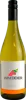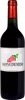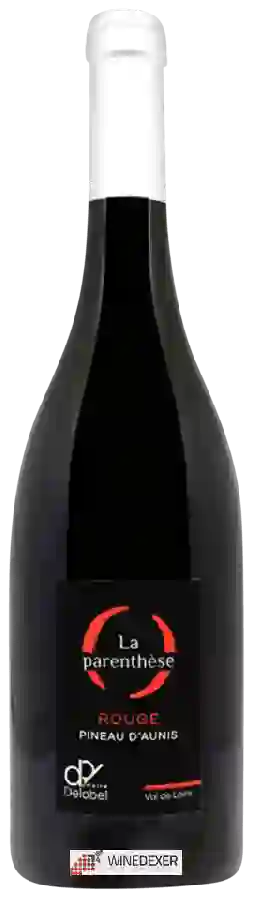
Domaine DelobelLa Parenthèse Rouge
 Red wine


In the mouth this red wine is a with a nice balance between acidity and tannins.
This wine generally goes well with
Taste structure of the La Parenthèse Rouge from the Domaine Delobel
Light | Bold | |
Smooth | Tannic | |
Dry | Sweet | |
Soft | Acidic |
In the mouth the La Parenthèse Rouge of Domaine Delobel in the region of Val de Loire is a with a nice balance between acidity and tannins.
Wine flavors and olphactive analysis



On the nose the La Parenthèse Rouge of Domaine Delobel in the region of Val de Loire often reveals types of flavors of spices, red fruit.
Details and technical informations about Domaine Delobel's La Parenthèse Rouge.
Discover the grape variety: Charmont
Intraspecific crossing between Chasselas and Chardonnay, obtained in 1965 by Jean-Louis Simon and selected by André Jacquinet at the Agroscope Changins-Wädenswil research station (Switzerland). This grape variety is known and cultivated in Switzerland, but it can also be found in Hungary, Germany, Italy, etc., and is virtually unknown in France. With the same parents, Jean-Louis Simon also obtained the doral.
Last vintages of this wine

The best vintages of La Parenthèse Rouge from Domaine Delobel are 2020, 2021, 0, 2023 and 2019.
Informations about the Domaine Delobel
The Domaine Delobel is one of of the world's greatest estates. It offers 7 wines for sale in the of Val de Loire to come and discover on site or to buy online.

The wine region of Val de Loire
Val de Loire is a regional PGI title, covering wines produced in an area that roughly corresponds to the Val de Loire wine region in northern France. The PGI catchment area covers 14 departments and is one of the largest in France in terms of area. The Terroir is extremely varied throughout the Loire Valley region. Wines produced under the PGI title have as much style as the AOC appellations of the Loire.
The word of the wine: Powerful
Rich, full-bodied, corpulent wine.