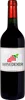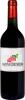
Winery Fontana di PapaTre Castelli Rosso
 Red wine



In the mouth this red wine is a .
This wine generally goes well with poultry, beef or veal.

Taste structure of the Tre Castelli Rosso from the Winery Fontana di Papa
Light | Bold | |
Smooth | Tannic | |
Dry | Sweet | |
Soft | Acidic |
In the mouth the Tre Castelli Rosso of Winery Fontana di Papa in the region of Lazio is a .
Food and wine pairings with Tre Castelli Rosso
Pairings that work perfectly with Tre Castelli Rosso



Original food and wine pairings with Tre Castelli Rosso

The Tre Castelli Rosso of Winery Fontana di Papa matches generally quite well with dishes of beef, pasta or veal such as recipes of marinated shrimp skewers with garlic, shrimp marinade or roast veal orloff with mushrooms.
Details and technical informations about Winery Fontana di Papa's Tre Castelli Rosso.
Discover the grape variety: Sangiovese
Firm, upright reds with precise acidity and angular tannins, showing aromas of sour cherry, plum, dried herbs, leather, black tea and balsamic notes. Characteristically bitter, savoury finish. Star of Chianti Classico DOCG, Brunello di Montalcino DOCG, Vino Nobile di Montepulciano DOCG and Morellino di Scansano. Italy's most planted variety, a descendant of Ciliegiolo × Calabrese di Montenuovo.
Last vintages of this wine
The best vintages of Tre Castelli Rosso from Winery Fontana di Papa are 0
Informations about the Winery Fontana di Papa
The Winery Fontana di Papa is one of of the world's great estates. It offers 43 wines for sale in the of Lazio to come and discover on site or to buy online.

The wine region of Lazio
Two-millennia Roman vineyard, predominantly white on the volcanic soils of the Castelli Romani. Frascati DOC as figurehead: fresh, accessible whites based on Malvasia and Trebbiano, notes of green apple, white flowers and almond, slightly bitter finish. Also Bellone and Grechetto. Emblematic red: Cesanese del Piglio DOCG, fleshy with notes of ripe cherry, dry herbs and spice, round tannins.
The word of the wine: Load shedding
Unlike pumping over, the liquid part is completely removed from the tank before being poured over the marc. This allows for a better mixing of the solid particles and the juice.