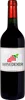
Winery Fontana di PapaLapillo Rosso
 Red wine


This wine is a blend of 2 varietals which are the Sangiovese and the Merlot.
In the mouth this red wine is a .
This wine generally goes well with poultry, beef or veal.
Taste structure of the Lapillo Rosso from the Winery Fontana di Papa
Light | Bold | |
Smooth | Tannic | |
Dry | Sweet | |
Soft | Acidic |
In the mouth the Lapillo Rosso of Winery Fontana di Papa in the region of Lazio is a .
Food and wine pairings with Lapillo Rosso
Pairings that work perfectly with Lapillo Rosso



Original food and wine pairings with Lapillo Rosso

The Lapillo Rosso of Winery Fontana di Papa matches generally quite well with dishes of beef, pasta or veal such as recipes of beef tongue with vegetables, cannelloni chicken, pepper and mozzarella or veal escalope (piccata milanese).
Details and technical informations about Winery Fontana di Papa's Lapillo Rosso.
Discover the grape variety: Sangiovese
Originally from Italy, it is the famous Sangiovese of Tuscany producing the famous wines of Brunello de Montalcino and Chianti. This variety is registered in the Official Catalogue of Wine Grape Varieties, list A1. According to recent genetic analysis, it is the result of a natural cross between the almost unknown Calabrese di Montenuovo (mother) and Ciliegiolo (father).
Last vintages of this wine
The best vintages of Lapillo Rosso from Winery Fontana di Papa are 2016, 0
Informations about the Winery Fontana di Papa
The Winery Fontana di Papa is one of of the world's great estates. It offers 43 wines for sale in the of Lazio to come and discover on site or to buy online.

The wine region of Lazio
Lazio is a region in CentralItaly, where the ancient capital of Rome is located. The region's reputation is based primarily on its white wines, the main varieties of which are Trebbiano, Malvasia di Candia and Malvasia Puntinata. Traditionally, these wines were fat, Round, abboccato and intended for immediate consumption. Today, the styles are lighter, drier and crisper thanks to modern winemaking methods.
The word of the wine: Brilliant
Said of a very limpid robe whose reflections shine strongly in the light.