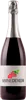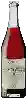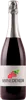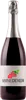
Winery Feudo RamaddiniPerla Marina Moscato Brut
 Sparkling wine


This wine generally goes well with sweet desserts
Wine flavors and olphactive analysis

On the nose the Perla Marina Moscato Brut of Winery Feudo Ramaddini in the region of Sicily often reveals types of flavors of earth, citrus fruit.
Food and wine pairings with Perla Marina Moscato Brut
Pairings that work perfectly with Perla Marina Moscato Brut

Original food and wine pairings with Perla Marina Moscato Brut
The Perla Marina Moscato Brut of Winery Feudo Ramaddini matches generally quite well with dishes of sweet desserts such as recipes of yoghurt cake.
Details and technical informations about Winery Feudo Ramaddini's Perla Marina Moscato Brut.
Discover the grape variety: Muscat de Hambourg
Muscat de Hambourg noir is a grape variety that originated in . It produces a variety of grapes used to make wine. However, it can also be found eating on our tables! This variety of grape is characterized by large bunches and large grapes. Muscat de Hambourg noir can be found in several vineyards: South-West, Cognac, Bordeaux, Languedoc & Roussillon, Provence & Corsica, Rhone Valley, Loire Valley, Savoie & Bugey, Beaujolais, Armagnac.
Last vintages of this wine
The best vintages of Perla Marina Moscato Brut from Winery Feudo Ramaddini are 2018, 0
Informations about the Winery Feudo Ramaddini
The Winery Feudo Ramaddini is one of of the world's greatest estates. It offers 16 wines for sale in the of Sicily to come and discover on site or to buy online.

The wine region of Sicily
Sicily is the Southernmost region of Italy, and the largest island in the Mediterranean Sea. For over 2500 years, Sicily (Sicilia in Italian) has been an important centre of Mediterranean viticulture, although the reputation and style of its wines have changed considerably over time. The island was once best known for its Sweet muscatels (see Pantelleria), and later for its fortified Marsala. Today, many of its best-known wines are Dry table wines produced under the regional designation IGT Terre Siciliane, or Sicilia DOC (see below).
The word of the wine: Residual sugars
Sugars not transformed into alcohol and naturally present in the wine. The perception of residual sugars is conditioned by the acidity of the wine. The more acidic the wine is, the less sweet it will seem, given the same amount of sugar.