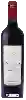
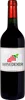
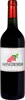
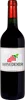
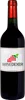
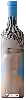
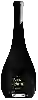
Winery ParróneGrand Reserve Malbec
 Red wine



In the mouth this red wine is a powerful.
This wine generally goes well with poultry, beef or lamb.

Taste structure of the Grand Reserve Malbec from the Winery Parróne
Light | Bold | |
Smooth | Tannic | |
Dry | Sweet | |
Soft | Acidic |
In the mouth the Grand Reserve Malbec of Winery Parróne in the region of Central Valley is a powerful.
Wine flavors and olphactive analysis


On the nose the Grand Reserve Malbec of Winery Parróne in the region of Central Valley often reveals types of flavors of non oak, oak or black fruit.
Food and wine pairings with Grand Reserve Malbec
Pairings that work perfectly with Grand Reserve Malbec



Original food and wine pairings with Grand Reserve Malbec
The Grand Reserve Malbec of Winery Parróne matches generally quite well with dishes of beef, lamb or poultry such as recipes of boeuf lôc lac (cambodia), lamb colombo or breton galette with buckwheat flour.
Details and technical informations about Winery Parróne's Grand Reserve Malbec.
Discover the grape variety: Malbec
Deep, velvety reds with an intense purple colour, showing aromas of blackberry, black plum, violet, cocoa and gentle spice. Round tannins, fleshy palate, peppery length. Star of Cahors AOC (Côt, Auxerrois) in France and the absolute signature of Mendoza, Argentina (Uco Valley, Luján de Cuyo). A French South-West variety that became the Argentine emblem after its post-phylloxera decline.
Last vintages of this wine
The best vintages of Grand Reserve Malbec from Winery Parróne are 2017, 0, 2016
Informations about the Winery Parróne
The Winery Parróne is one of of the world's greatest estates. It offers 10 wines for sale in the of Cachapoal Valley to come and discover on site or to buy online.

The wine region of Cachapoal Valley
Chilean Rapel sub-valley, Mediterranean terroir sheltered from the Pacific: signature Carmenere as king red — balanced between ripe cherry, plum and its signature green/spicy pepper, round tannins, preserved structure (Peumo the star sub-zone). Elegant Cabernet Sauvignon on the Andean foothills of Alto Cachapoal (600-900 m): blackcurrant, blackberry, cedar, racy acidity. Syrah and Merlot as complement. Gravelly soils east, fertile silt west, hot sheltered climate.
The wine region of Central Valley
Heart of modern Chilean wine: structured, sunny reds, dense, blackcurranty Cabernet Sauvignon from Maipo (Chilean cradle of the grape), signature Carménère with notes of ripe pepper, black fruit and sweet spices from Colchagua, supple Merlot and deep Syrah. Round Chardonnay whites and lively, sharp Sauvignon. Mediterranean climate, 400 km between Andes and Pacific. Star sub-regions: Maipo, Cachapoal, Colchagua, Curicó, Maule.
The word of the wine: Roast (taste of)
Characteristic taste of wines made from grapes affected by botrytis cinerea.