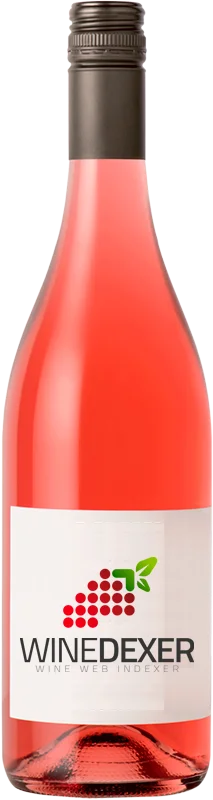
Domaine de MellemontRosé des Béguines
 Pink wine



This wine is a blend of 3 varietals which are the Auxerrois, the Müller-Thurgau and the Pinot noir.
This wine generally goes well with pork, poultry or veal.
The Rosé des Béguines of the Domaine de Mellemont is in the top 80 of wines of Wallonie.
Food and wine pairings with Rosé des Béguines
Pairings that work perfectly with Rosé des Béguines



Original food and wine pairings with Rosé des Béguines


The Rosé des Béguines of Domaine de Mellemont matches generally quite well with dishes of veal, pork or game (deer, venison) such as recipes of roast pork with prunes, currywurst or the garbure.
Details and technical informations about Domaine de Mellemont's Rosé des Béguines.
Discover the grape variety: Auxerrois
Auxerrois is a white grape variety native to Lorraine, which is also found in Alsace and in the Loire Valley, where it took off in 1950. Its name comes from the nurseries in Auxerre where it found refuge during the Second World War. Often called Pinot Auxerrois, it is part of the Moselle, Alsace and Côtes-de-Toul AOC grape varieties. Auxerrois should not be confused with côt or malbec, which are red grape varieties from the Cahors region and which may bear the same name. The bunches of Auxerrois are of medium size with small berries. It is a semi-late grape variety whose buds only come out when temperatures are well above 10°C. Auxerrois wines are characterized by finesse and acidity and subtle aromas of exotic fruits, fruits and white flowers. In France, it represents 1,600 hectares of production and some small parcels of Auxerrois are also present in Luxembourg, Germany, Canada and South Africa (2,300 hectares in total).
Informations about the Domaine de Mellemont
The Domaine de Mellemont is one of of the world's greatest estates. It offers 8 wines for sale in the of Wallonie to come and discover on site or to buy online.

The wine region of Wallonie
In 2004, the local wines of the Gardens of Wallonia joined the circle of products labeled with a Protected Geographical Indication.
The word of the wine: Musty (taste of)
A disgusting taste due to a defect in the grapes or, more commonly, a defect in the barrel.