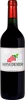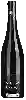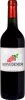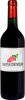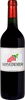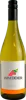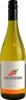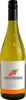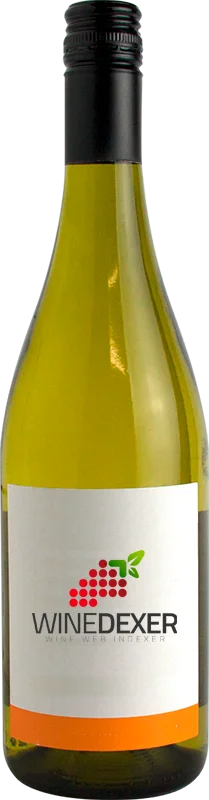
Winery DeutzerhofPinkcap Grauburgunder
 White wine
In the mouth this white wine is a .
This wine generally goes well with pork, cured meat or mushrooms.
Taste structure of the Pinkcap Grauburgunder from the Winery Deutzerhof
Light | Bold | |
Dry | Sweet | |
Soft | Acidic |
In the mouth the Pinkcap Grauburgunder of Winery Deutzerhof in the region of Ahr is a .
Food and wine pairings with Pinkcap Grauburgunder
Pairings that work perfectly with Pinkcap Grauburgunder


Original food and wine pairings with Pinkcap Grauburgunder

The Pinkcap Grauburgunder of Winery Deutzerhof matches generally quite well with dishes of pork, spicy food or mushrooms such as recipes of gratin of fresh chard (green and ribs), pho soup or veal paupiettes with cider.
Details and technical informations about Winery Deutzerhof's Pinkcap Grauburgunder.
Discover the grape variety: Muscat rge de Madère
A very old variety of table grape that is now almost extinct. It can still be found in Italy, Portugal, Romania, Moldavia, ... in France, it can only be found among amateur gardeners and/or collectors. It is given as originating from Portugal, others from Romania. D.N.A. analyses carried out in 2007 allow us to confirm that it is indeed a natural intraspecific cross between the muscat à petits grains blancs and the sciaccarello or mammolo nero.
Informations about the Winery Deutzerhof
The Winery Deutzerhof is one of of the world's great estates. It offers 52 wines for sale in the of Ahr to come and discover on site or to buy online.

The wine region of Ahr
Ahr is one of Germany’s least-known and Northernmost wine regions, known for its Pinot Noir reds. It Lies immediately north of the Mosel, and follows the Ahr River in the Final stages of its journey towards its confluence with the Rhein. One might expect a wine region this far north (50°N) to specialize in white wines – like almost every other cool-Climate wine region. After all, neighboring Mosel and Mittelrhein both clearly favor white wines (around 85 percent).
The word of the wine: Aging on lees
Maturing on the lees enhances the stability, aromatic complexity and texture of white wines, which gain in body and volume. This phenomenon is induced by autolysis, the process of self-degradation of the lees.