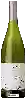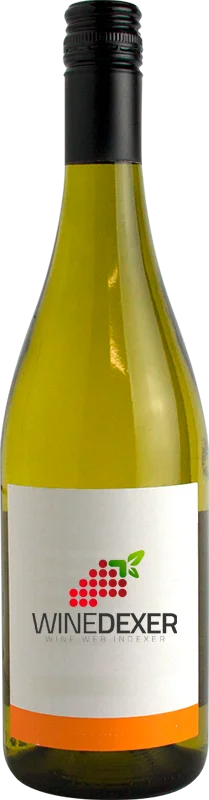
Bodega del DesiertoPampa Chardonnay
 White wine



In the mouth this white wine is a powerful.
This wine generally goes well with pork, vegetarian or poultry.

Taste structure of the Pampa Chardonnay from the Bodega del Desierto
Light | Bold | |
Dry | Sweet | |
Soft | Acidic |
In the mouth the Pampa Chardonnay of Bodega del Desierto in the region of Patagonia is a powerful.
Wine flavors and olphactive analysis

Food and wine pairings with Pampa Chardonnay
Pairings that work perfectly with Pampa Chardonnay



Original food and wine pairings with Pampa Chardonnay

The Pampa Chardonnay of Bodega del Desierto matches generally quite well with dishes of pork, rich fish (salmon, tuna etc) or vegetarian such as recipes of barbecued filet mignon, fish pot or tuna, pepper and tomato quiche.
Details and technical informations about Bodega del Desierto's Pampa Chardonnay.
Discover the grape variety: Chardonnay
Whites with many faces: mineral and taut at Chablis (lemon, green apple, flint), opulent and buttery at Meursault and Puligny-Montrachet (hazelnut, brioche, yellow fruits), tense and chalky in Champagne (Blanc de Blancs). Also vinified sparkling and widely exported (Sonoma, Margaret River, Casablanca). A Burgundian variety, a cross of Pinot Noir × Gouais Blanc, half-sibling of Aligoté.
Last vintages of this wine
The best vintages of Pampa Chardonnay from Bodega del Desierto are 2017, 2015, 0, 2012
Informations about the Bodega del Desierto
The Bodega del Desierto is one of of the world's great estates. It offers 36 wines for sale in the of La Pampa to come and discover on site or to buy online.

The wine region of La Pampa
Patagonian Argentine region with dry, cool climate whipped by Andean winds, ~280 ha of vines and growing. Malbec is the signature red (~50% of plantings) with intense blackberry, plum, violet and peppery notes, round tannins and deep fruit. Firm Cabernet Sauvignon with blackcurrant and supple Merlot complement. Fine Pinot Noir with cherry, strawberry and vanilla, acidity driven by southern coolness.
The wine region of Patagonia
Argentina's wine frontier, cool continental climate at low altitude (~200 m), strong natural acidity. Signature Pinot Noir, now a regional emblem: fine, silky reds with signature notes of tart cherry, raspberry, wild strawberry, undergrowth, violet and sweet spices, delicate tannins and taut freshness — a southern Burgundian style. Also Malbec fresher than in the north, round Merlot. Taut Sémillon, Sauvignon, Chardonnay, Riesling whites.
The word of the wine: Female
Characterizes wines whose pleasantness results from elegance and finesse rather than power.