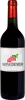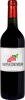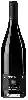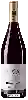
Winery DagernovaAhrweiler Rosenthal Spätburgunder
 Red wine
In the mouth this red wine is a with a nice freshness.
This wine generally goes well with poultry, beef or veal.
Taste structure of the Ahrweiler Rosenthal Spätburgunder from the Winery Dagernova
Light | Bold | |
Smooth | Tannic | |
Dry | Sweet | |
Soft | Acidic |
In the mouth the Ahrweiler Rosenthal Spätburgunder of Winery Dagernova in the region of Ahr is a with a nice freshness.
Food and wine pairings with Ahrweiler Rosenthal Spätburgunder
Pairings that work perfectly with Ahrweiler Rosenthal Spätburgunder



Original food and wine pairings with Ahrweiler Rosenthal Spätburgunder

The Ahrweiler Rosenthal Spätburgunder of Winery Dagernova matches generally quite well with dishes of beef, veal or game (deer, venison) such as recipes of tournedos with foie gras, simple and fragrant roast veal or autumn duck aiguillette.
Details and technical informations about Winery Dagernova's Ahrweiler Rosenthal Spätburgunder.
Discover the grape variety: Panse précoce
Most certainly finding its first origins in southern Provence, registered in the Official Catalogue of table grape varieties list A1. According to genetic analyses published in Montpellier (Hérault), it is the result of a cross between the bicane and the pascal blanc. It should not be confused with the foster' white grown in Italy and wrongly called panse précoce. Finally, it can also be confused with the Panse de Provence, which has downy-pubescent leaves and ripens in the second half of the year.
Informations about the Winery Dagernova
The Winery Dagernova is one of of the world's great estates. It offers 90 wines for sale in the of Ahr to come and discover on site or to buy online.

The wine region of Ahr
Ahr is one of Germany’s least-known and Northernmost wine regions, known for its Pinot Noir reds. It Lies immediately north of the Mosel, and follows the Ahr River in the Final stages of its journey towards its confluence with the Rhein. One might expect a wine region this far north (50°N) to specialize in white wines – like almost every other cool-Climate wine region. After all, neighboring Mosel and Mittelrhein both clearly favor white wines (around 85 percent).
The word of the wine: ODG
Organisation for the defence and management of wine, set up following the reform of the "syndicats de crus". The ODG is the collective organisation responsible for the defence and management of a product under an official sign of identification and quality and between wine appellations.