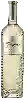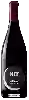
Winery Cellers d'en GuillaEl Guillat
 Red wine


In the mouth this red wine is a powerful with a nice balance between acidity and tannins.
This wine generally goes well with poultry, beef or veal.
Taste structure of the El Guillat from the Winery Cellers d'en Guilla
Light | Bold | |
Smooth | Tannic | |
Dry | Sweet | |
Soft | Acidic |
In the mouth the El Guillat of Winery Cellers d'en Guilla in the region of Catalogne is a powerful with a nice balance between acidity and tannins.
Food and wine pairings with El Guillat
Pairings that work perfectly with El Guillat



Original food and wine pairings with El Guillat

The El Guillat of Winery Cellers d'en Guilla matches generally quite well with dishes of beef, pasta or veal such as recipes of beef mironton, risotto of coquillettes with chorizo or express veal stew in a pressure cooker.
Details and technical informations about Winery Cellers d'en Guilla's El Guillat.
Discover the grape variety: Reine des vignes
Obtained in Hungary in 1916 by Jean (Janos) Mathiasz by crossing the Beirut date tree with the Csaba pearl. This variety is nowadays very little multiplied, but it is registered in the Official Catalogue of table grape varieties list A1.
Last vintages of this wine
The best vintages of El Guillat from Winery Cellers d'en Guilla are 2017
Informations about the Winery Cellers d'en Guilla
The Winery Cellers d'en Guilla is one of of the world's great estates. It offers 9 wines for sale in the of Catalogne to come and discover on site or to buy online.

The wine region of Catalogne
Catalonia (Catalunya in Catalan and Cataluña in Spanish) is an autonomous community in the Northeast of Spain. It extends from the historic county (comarca) of Montsia in the South to the border with France in the north. The Mediterranean Sea forms its eastern border and offers 580 km of coastline. The Catalunya D.
The word of the wine: Cinsault
Cinsault is a southern black grape variety that can be found in the blends of most Mediterranean appellations, but most often as an accessory grape variety. It is undoubtedly most present in certain rosé wines (in Corbières, Côtes-de-Provence, etc.): it gives these wines highly appreciated aromas of strawberry, peach and raspberry. In vin de pays (IGP), it is often vinified on its own, usually as a rosé.