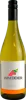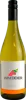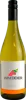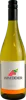
Chateau TumbleweedThe Descendants
 White wine


This wine is a blend of 2 varietals which are the Verdelho and the Viognier.
This wine generally goes well with pork, poultry or game (deer, venison).
The The Descendants of the Chateau Tumbleweed is in the top 30 of wines of Arizona.

Wine flavors and olphactive analysis


On the nose the The Descendants of Chateau Tumbleweed in the region of Arizona often reveals types of flavors of earth, tree fruit or citrus fruit.
Food and wine pairings with The Descendants
Pairings that work perfectly with The Descendants



Original food and wine pairings with The Descendants



The The Descendants of Chateau Tumbleweed matches generally quite well with dishes of pork, game (deer, venison) or shellfish such as recipes of pizza calzone with ham and mushrooms, autumn duck aiguillette or tagliatelle with scallops.
Details and technical informations about Chateau Tumbleweed's The Descendants.
Discover the grape variety: Verdelho
Structured, taut whites with precise acidity and a slender mouth, featuring aromas of citrus (lemon, orange peel), dried fruits, toasted almond, Mediterranean herbs and pronounced saline notes. A historic pillar of medium-dry Madeira (one of the island's four classic noble grapes) where it develops complex oxidative notes. Also as structured dry whites in Douro DOC and Australia (Hunter Valley). Native Portuguese grape, unrelated to Spanish Verdejo.
Last vintages of this wine
The best vintages of The Descendants from Chateau Tumbleweed are 0, 2018
Informations about the Chateau Tumbleweed
The Chateau Tumbleweed is one of of the world's greatest estates. It offers 45 wines for sale in the of Arizona to come and discover on site or to buy online.

The wine region of Arizona
Emerging US Southwest state, high-altitude vineyards (1,370-1,580 m) on volcanic soils. Rhone and Mediterranean grapes are the stars: signature Syrah (blackberry, pepper, olive, violet, round tannins), fruity Grenache, dense sun-drenched Mourvedre. Also spicy Tempranillo and fruity Sangiovese. Aromatic Viognier (apricot, flowers) and deeply coloured Petite Sirah in whites.
The word of the wine: Sulphur
An antiseptic and antioxidant substance known since antiquity, probably already used by the Romans. But it was only in modern times that its use was rediscovered. It will allow a better conservation of the wine and thus favour its export. Sulphur also gave the 18th century winegrower the possibility of extending the maceration period without fearing that the wine would turn sour and thus go from dark rosé wines to the red wines of today. Excessive sulphur, on the other hand, kills happiness, paralysing the aromas and causing headaches.