The Château de Plaisance of Loire Valley
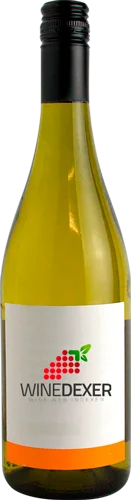
The Château de Plaisance is one of the best wineries to follow in Vallée de la Loire.. It offers 26 wines for sale in of Loire Valley to come and discover on site or to buy online.
Looking for the best Château de Plaisance wines in Loire Valley among all the wines in the region? Check out our tops of the best red, white or effervescent Château de Plaisance wines. Also find some food and wine pairings that may be suitable with the wines from this area. Learn more about the region and the Château de Plaisance wines with technical and enological descriptions.
How Château de Plaisance wines pair with each other generally quite well with dishes of rich fish (salmon, tuna etc), vegetarian or poultry such as recipes of sea bream fillets with capers, quiche without eggs or moroccan chicken tagine.
On the nose the sweet wine of Château de Plaisance. often reveals types of flavors of tree fruit, apricot or citrus fruit. In the mouth the sweet wine of Château de Plaisance. is a with a nice freshness.
The Loire Valley is a key wine region in western France. It follows the course of the Loire River on its Long journey through the heart of France, from the inland hills of the Auvergne to the plains of the French Atlantic coast near Nantes (Muscadet country). Important in terms of quantity and quality, the region produces large quantities (about 4 million h/l each year) of everyday wines, as well as some of France's greatest wines. Diversity is another of the region's major assets; the styles of wine produced here range from the light, tangy Muscadet to the Sweet, honeyed Bonnezeaux, the Sparkling whites of Vouvray and the juicy, Tannic reds of Chinon and Saumur.
It's quite telling that this brief overview of the region's wines doesn't even mention the Loire Valley's two most famous wines - Sancerre and Pouilly-Fume. White wines are clearly the strong point of the Loire Valley and represent the vast majority of production. A significant proportion of these are produced under PGI appellations, most commonly the IGP Loire (formerly Vin de Pays du Jardin de la France), which covers the whole region. The main white Grape varieties used for the production of white wines in the Loire Valley are Sauvignon Blanc, Chenin Blanc, Melon de Bourgogne and, more popular than the traditional, Chardonnay.
How Château de Plaisance wines pair with each other generally quite well with dishes of rich fish (salmon, tuna etc), vegetarian or poultry such as recipes of oven-baked salmon mozzarella sandwiches, tuna, pepper and tomato quiche or tunisian tagine.
On the nose the white wine of Château de Plaisance. often reveals types of flavors of apples, minerality or pear and sometimes also flavors of honey, walnut or non oak. In the mouth the white wine of Château de Plaisance. is a with a nice freshness.
Cabernet Franc is one of the oldest red grape varieties in Bordeaux. The Libourne region is its terroir where it develops best. The terroirs of Saint-Emilion and Fronsac allow it to mature and develop its best range of aromas. It is also the majority in many blends. The very famous Château Cheval Blanc, for example, uses 60% Cabernet Franc. The wines produced with Cabernet Franc are medium in colour with fine tannins and subtle aromas of small red fruits and spices. When blended with Merlot and Cabernet Sauvignon, it brings complexity and a bouquet of aromas to the wine. It produces fruity wines that can be drunk quite quickly, but whose great vintages can be kept for a long time. It is an earlier grape variety than Cabernet Sauvignon, which means that it is planted as far north as the Loire Valley. In Anjou, it is also used to make sweet rosé wines. Cabernet Franc is now used in some twenty countries in Europe and throughout the world.
How Château de Plaisance wines pair with each other generally quite well with dishes of veal, game (deer, venison) or poultry such as recipes of veal escalope (piccata milanese), rabbit with mustard, thyme and cream or pancake batter.
On the nose the red wine of Château de Plaisance. often reveals types of flavors of earth, oak or black fruit and sometimes also flavors of quince, apricot or ginger. In the mouth the red wine of Château de Plaisance. is a with a nice freshness.
Disease of the vine due to a fungus. Downy mildew is formidable because it attacks all the organs, from the stem to the grapes, including the leaves, in depth. It was against it that the famous copper and lime-based Bordeaux mixture was developed.
How Château de Plaisance wines pair with each other generally quite well with dishes of beef, lamb or spicy food such as recipes of roast monkfish with bacon, pizza queen with merguez or pizza with peppers and spicy chicken.
It most certainly originates from the Anjou region and is registered in the official catalogue of wine grape varieties on the A1 list. It can also be found in South Africa, Australia, Argentina, Chile, the United States (California), New Zealand, etc. It is said to be a descendant of Savagnin and to have sauvignonasse as its second parent (Jean-Michel Boursiquot 2019). On the other hand, Chenin blanc is the half-brother of verdelho and sauvignon blanc and is the father of colombard.
How Château de Plaisance wines pair with each other generally quite well with dishes of shellfish, poultry or appetizers and snacks such as recipes of yakisoba (fried noodles), chicken with rice for cookeo robot or baguette filled with saint moret and ham.
On the nose the sparkling wine of Château de Plaisance. often reveals types of flavors of honey, non oak or earth and sometimes also flavors of microbio, oak or tree fruit.
Seedless grape.
Planning a wine route in the of Loire Valley? Here are the wineries to visit and the winemakers to meet during your trip in search of wines similar to Château de Plaisance.
The white Chardonnay is a grape variety that originated in France (Burgundy). It produces a variety of grape specially used for wine making. It is rare to find this grape to eat on our tables. This variety of grape is characterized by small bunches, and small grapes. White Chardonnay can be found in many vineyards: South West, Burgundy, Jura, Languedoc & Roussillon, Cognac, Bordeaux, Beaujolais, Savoie & Bugey, Loire Valley, Champagne, Rhone Valley, Armagnac, Lorraine, Alsace, Provence & Corsica.