The Winery Chai Garnerot of Côte Chalonnaise of Burgundy
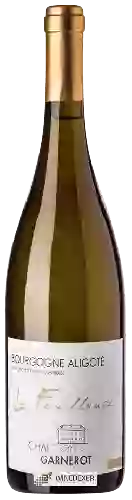
The Winery Chai Garnerot is one of the best wineries to follow in Côte Chalonnaise.. It offers 14 wines for sale in of Côte Chalonnaise to come and discover on site or to buy online.

Looking for the best Winery Chai Garnerot wines in Côte Chalonnaise among all the wines in the region? Check out our tops of the best red, white or effervescent Winery Chai Garnerot wines. Also find some food and wine pairings that may be suitable with the wines from this area. Learn more about the region and the Winery Chai Garnerot wines with technical and enological descriptions.
How Winery Chai Garnerot wines pair with each other generally quite well with dishes of beef, veal or game (deer, venison) such as recipes of spaghetti bolognese, veal fillet stroganoff or paella valenciana (without seafood).
In the mouth the red wine of Winery Chai Garnerot. is a with a nice freshness.
The Côte Chalonnaise is a wine-growing region in the department of Saône-et-Loire in Burgundy, eastern France. It is composed of five key communes, separated from each other by only a few kilometres. From North to South, they are: Bouzeron, Rully, Mercurey, Givry and Montagny. It takes its name from the commune of Chalon-sur-Saône.
The main Grape varieties of the Côte Chalonnaise are Pinot Noir and Chardonnay. Gamay and various other red and white mutations of the Pinot family are planted in smaller quantities.
The Chalonnaise Lies between the Côte de Beaune to the north and the Mâconnais, just to the south. There is a Clear division between these two areas, clearly delineated by the border between the departments of Côte d'Or and Saône-et-Loire.
Planning a wine route in the of Côte Chalonnaise? Here are the wineries to visit and the winemakers to meet during your trip in search of wines similar to Winery Chai Garnerot.
This grape variety was originally cultivated in the south of Italy, in the region of Puglia to be precise. Today, it can be found in many other Italian wine regions, including Abruzzo, Lazio, Marche, Emilia-Romagna, etc. In France, it is almost unknown. It certainly has many relatives of Italian origin, known or less known, without us being able to cite them with certainty, especially since we find identical synonyms for them. However, we can affirm that the Trebbiano of Abruzzo is not the white Bombino and that the black Bombino is not related to the white.