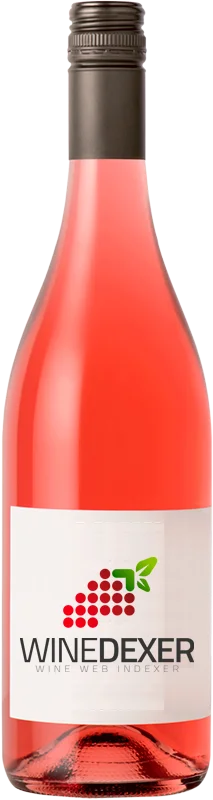
Winery Catherine BernardLe Rosé
 Pink wine



This wine generally goes well with beef and spicy food.

Wine flavors and olphactive analysis

On the nose the Le Rosé of Winery Catherine Bernard in the region of Vin de France often reveals types of flavors of strawberries, red fruit.
Food and wine pairings with Le Rosé
Pairings that work perfectly with Le Rosé


Original food and wine pairings with Le Rosé
The Le Rosé of Winery Catherine Bernard matches generally quite well with dishes of beef or spicy food such as recipes of blanquette of monkfish with small vegetables or chicken on a bed of summer vegetables.
Details and technical informations about Winery Catherine Bernard's Le Rosé.
Discover the grape variety: Branco-Escola
Simple, fresh whites best drunk young, with a pale golden robe, a light palate with moderate acidity, and discreet aromas of white flowers, white-flesh fruits (apple) and neutral notes. Vigorous and productive. Often blended in Douro DOC whites, contributing to regional typicity and used locally for young-drinking table wines. Native Portuguese white grape from the Douro and Trás-os-Montes.
Last vintages of this wine
The best vintages of Le Rosé from Winery Catherine Bernard are 2015
Informations about the Winery Catherine Bernard
The Winery Catherine Bernard is one of of the world's greatest estates. It offers 10 wines for sale in the of Vin de France to come and discover on site or to buy online.

The wine region of Vin de France
The freest category of French wine, the playground of winemakers working outside the AOC. All styles combined: fruity reds, lively or ambitious whites, everyday rosés, unusual blends, natural wines, atypical grapes (Petit Manseng in Languedoc, Riesling in Provence), experimental winemaking (skin-contact whites, no sulphur). Grape and vintage labelling allowed, no geographic constraint. From the pop, convivial cuvée to the artisan gem: freedom in a bottle.
The word of the wine: Maturing (champagne)
After riddling, the bottles are stored on "point", upside down, with the neck of one bottle in the bottom of the other. The duration of this maturation is very important: in contact with the dead yeasts, the wine takes on subtle aromas and gains in roundness and fatness. A brut without year must remain at least 15 months in the cellar after bottling, a vintage 36 months.


