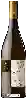
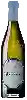
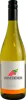
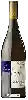
The Winery Cantine di Ora of Valpolicella of Veneto
The Winery Cantine di Ora is one of the best wineries to follow in Valpolicella.. It offers 37 wines for sale in of Valpolicella to come and discover on site or to buy online.
Looking for the best Winery Cantine di Ora wines in Valpolicella among all the wines in the region? Check out our tops of the best red, white or effervescent Winery Cantine di Ora wines. Also find some food and wine pairings that may be suitable with the wines from this area. Learn more about the region and the Winery Cantine di Ora wines with technical and enological descriptions.
How Winery Cantine di Ora wines pair with each other generally quite well with dishes of beef, veal or game (deer, venison) such as recipes of roast beef with garlic, filet mignon of veal with cider or venison leg in casserole.
On the nose the red wine of Winery Cantine di Ora. often reveals types of flavors of cherry, oaky or red fruit and sometimes also flavors of strawberries, vanilla or black cherries. In the mouth the red wine of Winery Cantine di Ora. is a powerful.
The wine region of Valpolicella is located in the region of Vénétie of Italy. Wineries and vineyards like the Domaine Domini Veneti or the Domaine Dal Forno Romano produce mainly wines red and white. The most planted grape varieties in the region of Valpolicella are Rondinella, Corvina and Corvinone, they are then used in wines in blends or as a single variety. On the nose of Valpolicella often reveals types of flavors of cherry, cream or mint and sometimes also flavors of tomatoes, toasty or caramel.
In the mouth of Valpolicella is a powerful. We currently count 525 estates and châteaux in the of Valpolicella, producing 759 different wines in conventional, organic and biodynamic agriculture. The wines of Valpolicella go well with generally quite well with dishes of beef, lamb or game (deer, venison).
How Winery Cantine di Ora wines pair with each other generally quite well with dishes of pasta, shellfish or mature and hard cheese such as recipes of pasta bolognese, indian chicken (simplified korma) or walnut and roquefort tart.
On the nose the white wine of Winery Cantine di Ora. often reveals types of flavors of earth, microbio or vegetal and sometimes also flavors of oak, tree fruit or spices. In the mouth the white wine of Winery Cantine di Ora. is a powerful.
How Winery Cantine di Ora wines pair with each other generally quite well with dishes of shellfish, vegetarian or appetizers and snacks such as recipes of paella de marisco (seafood paella), zucchini quiche or stuffed sea almonds with cream cheese.
On the nose the sparkling wine of Winery Cantine di Ora. often reveals types of flavors of non oak, oak or red fruit. In the mouth the sparkling wine of Winery Cantine di Ora. is a with a nice vivacity and a fine and pleasant bubble.
Name given to the second alcoholic fermentation that sparkling wines undergo. It gives rise to a release of carbon dioxide in the bottle.
How Winery Cantine di Ora wines pair with each other generally quite well with dishes such as recipes .
On the nose the pink wine of Winery Cantine di Ora. often reveals types of flavors of tree fruit, citrus fruit or red fruit.
A very old grape variety, most likely originating in Italy, now cultivated mainly in the central and central-eastern parts of this country, registered in France in the Official Catalogue of wine grape varieties, list A1. Montepulciano has long been confused with sangiovese or nielluccio, an A.D.N. analysis has shown that it is different.
Planning a wine route in the of Valpolicella? Here are the wineries to visit and the winemakers to meet during your trip in search of wines similar to Winery Cantine di Ora.
It is said to be of Slovenian origin, where it is cultivated under the name of Prosekar, also known for a long time in Italy under the name of Glera. It should not be confused with prosecco lungo - although there is a family link - and prosecco nostrano, which is none other than Tuscany's malvasia. Note that Vitouska - another Italian grape variety - is the result of a natural intraspecific cross between Tuscan malvasia and Prosecco. Under the name of Glera, it is registered in the Official Catalogue of wine grape varieties list A. It can be found in practically all of the former Yugoslavia, and more surprisingly in Argentina, but is virtually unknown in France.