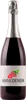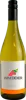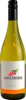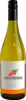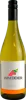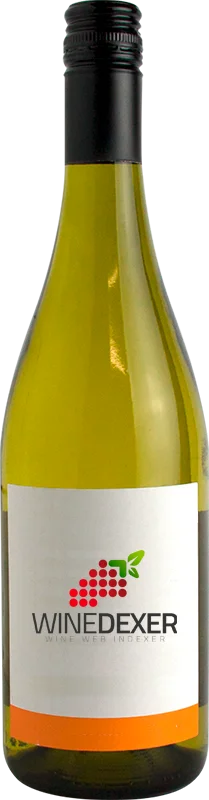
Winery Cantina FiammettaGatta Trebbiano
 White wine
In the mouth this white wine is a powerful with a nice freshness.
This wine generally goes well with lean fish, shellfish or mature and hard cheese.

Taste structure of the Gatta Trebbiano from the Winery Cantina Fiammetta
Light | Bold | |
Dry | Sweet | |
Soft | Acidic |
In the mouth the Gatta Trebbiano of Winery Cantina Fiammetta in the region of Emilia-Romagna is a powerful with a nice freshness.
Food and wine pairings with Gatta Trebbiano
Pairings that work perfectly with Gatta Trebbiano



Original food and wine pairings with Gatta Trebbiano


The Gatta Trebbiano of Winery Cantina Fiammetta matches generally quite well with dishes of pasta, shellfish or mature and hard cheese such as recipes of tagliatelle with spinach cream, shrimp curry and coconut (thailand) or sunday night savoury pie (leftover).
Details and technical informations about Winery Cantina Fiammetta's Gatta Trebbiano.
Discover the grape variety: Tchkhaveri
Elegant, light reds with a pale ruby robe, fine tannins and a silky palate with preserved acidity, with signature aromas of red fruits (cherry, raspberry), gentle spices and floral notes. Also fresh rosés. Often vinified using the traditional qvevri method; defines the viticultural identity of Guria. Indigenous Georgian black variety grown mainly in the Guria region in western Georgia.
Informations about the Winery Cantina Fiammetta
The Winery Cantina Fiammetta is one of of the world's greatest estates. It offers 14 wines for sale in the of Emilia-Romagna to come and discover on site or to buy online.

The wine region of Emilia-Romagna
Kingdom of Lambrusco: fresh, fruity sparkling reds (blackberry, cherry, violet), from gourmet dry to convivial off-dry, perfect with local charcuterie. World's best-selling sparkling wine on the Emilia side (Sorbara, Grasparossa, Salamino). East, Romagna: supple fruity Sangiovese, Albana (Italy's 1st white DOCG, 1987) ample and almondy. Also red Gutturnio and white Pignoletto.
The word of the wine: Sulphur
An antiseptic and antioxidant substance known since antiquity, probably already used by the Romans. But it was only in modern times that its use was rediscovered. It will allow a better conservation of the wine and thus favour its export. Sulphur also gave the 18th century winegrower the possibility of extending the maceration period without fearing that the wine would turn sour and thus go from dark rosé wines to the red wines of today. Excessive sulphur, on the other hand, kills happiness, paralysing the aromas and causing headaches.