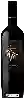
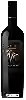
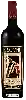
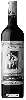
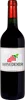
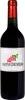
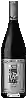
The Winery B.R. Cohn of Sonoma Valley of California

Winery B.R. Cohn
The winery offers 60 different wines
4.0


Note - 1Note - 1Note - 1Note - 1Note - 0
Its wines get an average rating of 4.
This estate is part of the Vintage Wine Estates.
It is ranked in the top 41 of the estates of California.
It is located in Sonoma Valley in the region of California
Find the Winery B.R. Cohn on Facebook and on Twitter

The Winery B.R. Cohn is one of the world's great estates. It offers 60 wines for sale in of Sonoma Valley to come and discover on site or to buy online.

Top Winery B.R. Cohn wines

Looking for the best Winery B.R. Cohn wines in Sonoma Valley among all the wines in the region? Check out our tops of the best red, white or effervescent Winery B.R. Cohn wines. Also find some food and wine pairings that may be suitable with the wines from this area. Learn more about the region and the Winery B.R. Cohn wines with technical and enological descriptions.

The top red wines of Winery B.R. Cohn

Food and wine pairings with a red wine of Winery B.R. Cohn

How Winery B.R. Cohn wines pair with each other generally quite well with dishes of pork, spicy food or poultry such as recipes of tripe in the style of caen, dab with coconut milk or spanish paella.

Organoleptic analysis of red wines of Winery B.R. Cohn

On the nose the red wine of Winery B.R. Cohn. often reveals types of flavors of red fruit, non oak or earth and sometimes also flavors of oak, spices or black fruit. In the mouth the red wine of Winery B.R. Cohn. is a powerful with a nice balance between acidity and tannins.

The best vintages in the red wines of Winery B.R. Cohn

  • 1999With an average score of 4.80/5
  • 1997With an average score of 4.40/5
  • 2004With an average score of 4.32/5
  • 2003With an average score of 4.20/5
  • 2013With an average score of 4.11/5
  • 2014With an average score of 4.08/5

The grape varieties most used in the red wines of Winery B.R. Cohn.

  • Cabernet Sauvignon
  • Merlot
  • Zinfandel
  • Barbera
  • Shiraz/Syrah
  • Malbec

Discovering the wine region of Sonoma Valley

The wine region of Sonoma Valley is located in the region of Sonoma County of California of United States. We currently count 312 estates and châteaux in the of Sonoma Valley, producing 950 different wines in conventional, organic and biodynamic agriculture. The wines of Sonoma Valley go well with generally quite well with dishes .

The top white wines of Winery B.R. Cohn

Food and wine pairings with a white wine of Winery B.R. Cohn

How Winery B.R. Cohn wines pair with each other generally quite well with dishes of pork, rich fish (salmon, tuna etc) or vegetarian such as recipes of salty crumble with courgettes, goat cheese and bacon, salmon and spinach lasagna or quiche without pastry.

Organoleptic analysis of white wines of Winery B.R. Cohn

On the nose the white wine of Winery B.R. Cohn. often reveals types of flavors of non oak, microbio or oak and sometimes also flavors of tree fruit, spices or citrus fruit. In the mouth the white wine of Winery B.R. Cohn. is a powerful with a nice freshness.

The best vintages in the white wines of Winery B.R. Cohn

  • 2017With an average score of 4.08/5
  • 2014With an average score of 3.93/5
  • 2013With an average score of 3.87/5
  • 2016With an average score of 3.82/5
  • 0With an average score of 3.81/5
  • 2011With an average score of 3.76/5

The grape varieties most used in the white wines of Winery B.R. Cohn.

  • Chardonnay
  • Pinot Gris
  • Viognier
  • Roussanne
  • Marsanne
  • Grenache Blanc

Discover the grape variety: Counoise

Counoise is a black grape variety of Spanish origin. It is widely cultivated in the southern part of France. It is very similar to the aubun, with which it is often confused, and has a white cottony bud. Unlike the aubun, the leaves of this variety do not have teeth in the petiolar sinus. They are thick and large. Its bunches are medium-sized but its berries are large. It is advisable to prune it short so that it is productive. It matures in the second half of the year, but production depends on the vintage. This grape variety appreciates hillside terroirs, which are stony and warm. It fears grey rot without being sensitive to oidium and mildew. Counoise has two approved clones, 508 and 725. The wine obtained from Counoise is not very colourful. It is fine and fruity. Its aromas are diversified with notes of fruit, flowers and spices.

The top sweet wines of Winery B.R. Cohn

Food and wine pairings with a sweet wine of Winery B.R. Cohn

How Winery B.R. Cohn wines pair with each other generally quite well with dishes of rich fish (salmon, tuna etc), shellfish or sweet desserts such as recipes of gratin dauphinois with smoked salmon, scallops with saffron or french toast.

Organoleptic analysis of sweet wines of Winery B.R. Cohn

On the nose the sweet wine of Winery B.R. Cohn. often reveals types of flavors of earth, microbio or tree fruit.

The best vintages in the sweet wines of Winery B.R. Cohn

  • 2010With an average score of 4.00/5
  • 0With an average score of 4.00/5
  • 2011With an average score of 3.90/5

The grape varieties most used in the sweet wines of Winery B.R. Cohn.

  • Sémillon

The word of the wine: Perfume

A pleasant scent most commonly associated with the world of flowers.

The top natural sweet wines of Winery B.R. Cohn

Food and wine pairings with a natural sweet wine of Winery B.R. Cohn

How Winery B.R. Cohn wines pair with each other generally quite well with dishes of beef, lamb or spicy food such as recipes of fresh sausage, rice with paprika and merguez or thai green curry.

Organoleptic analysis of natural sweet wines of Winery B.R. Cohn

On the nose the natural sweet wine of Winery B.R. Cohn. often reveals types of flavors of earth, oak or red fruit and sometimes also flavors of black fruit.

The best vintages in the natural sweet wines of Winery B.R. Cohn

  • 2013With an average score of 4.30/5
  • 2010With an average score of 4.30/5
  • 2011With an average score of 4.20/5
  • 0With an average score of 4.20/5
  • 2014With an average score of 3.90/5
  • 2012With an average score of 3.90/5

The grape varieties most used in the natural sweet wines of Winery B.R. Cohn.

  • Cabernet Sauvignon

Discover the grape variety: Viognier

White Viognier is a grape variety that originated in France (Rhone Valley). It produces a variety of grape specially used for wine making. It is rare to find this grape to eat on our tables. This variety of grape is characterized by small bunches, and grapes of small size. White Viognier can be found in many vineyards: South West, Languedoc & Roussillon, Cognac, Bordeaux, Rhone Valley, Burgundy, Jura, Champagne, Savoie & Bugey, Provence & Corsica, Loire Valley, Beaujolais.

The top pink wines of Winery B.R. Cohn

Food and wine pairings with a pink wine of Winery B.R. Cohn

How Winery B.R. Cohn wines pair with each other generally quite well with dishes of beef, lamb or spicy food such as recipes of beef with balsamic sauce, shoulder of lamb with a spoon or vegetarian paella.

Organoleptic analysis of pink wines of Winery B.R. Cohn

On the nose the pink wine of Winery B.R. Cohn. often reveals types of flavors of red fruit.

The best vintages in the pink wines of Winery B.R. Cohn

  • 2014With an average score of 3.60/5
  • 0With an average score of 3.50/5

The grape varieties most used in the pink wines of Winery B.R. Cohn.

  • Shiraz/Syrah
  • Grenache
  • Mourvedre
  • Counoise
  • Cinsault

The word of the wine: Crunchy

A very colorful term to designate a sensation similar to the crunchiness of a grape bursting under the tooth in young and lively wines.

Discover other wineries and winemakers neighboring the Winery B.R. Cohn

Planning a wine route in the of Sonoma Valley? Here are the wineries to visit and the winemakers to meet during your trip in search of wines similar to Winery B.R. Cohn.

Discover the grape variety: Sangiovese

Originally from Italy, it is the famous Sangiovese of Tuscany producing the famous wines of Brunello de Montalcino and Chianti. This variety is registered in the Official Catalogue of Wine Grape Varieties, list A1. According to recent genetic analysis, it is the result of a natural cross between the almost unknown Calabrese di Montenuovo (mother) and Ciliegiolo (father).