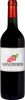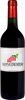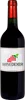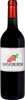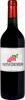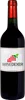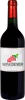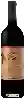
Bodegas VibeParsimonia Crianza
 Red wine
This wine generally goes well with poultry, beef or lamb.
Food and wine pairings with Parsimonia Crianza
Pairings that work perfectly with Parsimonia Crianza



Original food and wine pairings with Parsimonia Crianza
The Parsimonia Crianza of Bodegas Vibe matches generally quite well with dishes of beef, lamb or poultry such as recipes of lamb skewers, douez battata with cardoons (moroccan lamb stew) or coconut chicken à la bellevilloise.
Details and technical informations about Bodegas Vibe's Parsimonia Crianza.
Discover the grape variety: Lercat
Most certainly Pyrenean of Jurançonnais more precisely. It has long been confused with the lauzet, although its leaves are somewhat different. It is practically no longer present in the vineyards, which means that it is clearly on the way out. Published genetic analyses have revealed that it is related to one or more grape varieties, including Courbu Blanc. For more information, click here! - Synonymy: Arcat in Lasseube (Pyrénées atlantiques) (the synonymy of the grape varieties, click here!).
Informations about the Bodegas Vibe
The Bodegas Vibe is one of of the world's greatest estates. It offers 7 wines for sale in the of Utiel-Requena to come and discover on site or to buy online.

The wine region of Utiel-Requena
The wine region of Utiel-Requena is located in the region of Valence of Spain. Wineries and vineyards like the Domaine Hispano Suizas or the Domaine Bodegas 6º Elemento - Vino Sexto Elemento produce mainly wines red, white and pink. The most planted grape varieties in the region of Utiel-Requena are Bobal, Tempranillo and Cabernet-Sauvignon, they are then used in wines in blends or as a single variety. On the nose of Utiel-Requena often reveals types of flavors of blackberry, lime or licorice and sometimes also flavors of cream, nectarine or oil.
The wine region of Valence
Valencia is a province in the centre of Spain's sunny east coast, perhaps better known for its oranges (and paella) than its wine. The administrative Center of Valencia is the city of the same name, the third largest in Spain and the largest port on the Mediterranean. Archaeological evidence suggests that wine making in Valencia dates back more than a thousand years, but the region has never been particularly prominent on the world wine map. In modern times, Valencia's wine production has focused on quantity rather than quality, although this is gradually changing.
The word of the wine: Amber
(1) A colour close to amber, sometimes taken on by white wines aged for a long time, or by oxidising prematurely. (2) A term used on the label to designate white Rivesaltes aged for at least thirty months in an oxidizing environment.