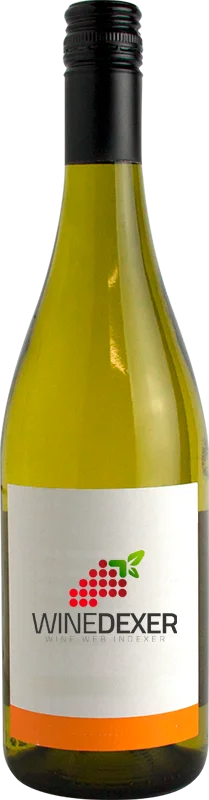
Domaine des BanquettesVin Doux Naturel Rasteau
 Natural sweet wine


This wine generally goes well with beef and mature and hard cheese.

Wine flavors and olphactive analysis


On the nose the Vin Doux Naturel Rasteau of Domaine des Banquettes in the region of Rhone Valley often reveals types of flavors of chocolate, microbio or oak.
Food and wine pairings with Vin Doux Naturel Rasteau
Pairings that work perfectly with Vin Doux Naturel Rasteau


Original food and wine pairings with Vin Doux Naturel Rasteau
The Vin Doux Naturel Rasteau of Domaine des Banquettes matches generally quite well with dishes of beef or mature and hard cheese such as recipes of thai beef skewers or sunday night ham and cheese sandwich by fred.
Details and technical informations about Domaine des Banquettes's Vin Doux Naturel Rasteau.
Discover the grape variety: Vitovska
Structured, mineral dry whites with a pale golden colour, a full palate and sharp acidity, showing signature aromas of almond, white flowers, white-fleshed fruits (pear), citrus and saline mineral notes. Also made as structured orange wines with tannins and dried fruits. Star of the Carso Vitovska DOC appellation, a typical expression of the karst terroirs of the upper Adriatic. Native white variety of Italy and Slovenia from the Carso/Kras region.
Last vintages of this wine
The best vintages of Vin Doux Naturel Rasteau from Domaine des Banquettes are 2006, 2010, 2013
Informations about the Domaine des Banquettes
The Domaine des Banquettes is one of of the world's greatest estates. It offers 11 wines for sale in the of Rasteau to come and discover on site or to buy online.

The wine region of Rasteau
Southern Rhône cru of Vaucluse (promoted 2010): Grenache Noir signature king red (≥50%) — deep robe and powerful profile with notes of ripe black fruits, candied cherry, garrigue, spice, liquorice and cocoa touch, dense tannins and broad structure, long finish. Historic amber Vin Doux Naturel (15°, overripe grapes) — fig, raisin, coffee, cocoa. Clay-limestone soils, red marls and sandstones, cleansing mistral, Mediterranean climate, 5-15 year ageing.
The wine region of Rhone Valley
France's 2nd-largest AOC vineyard, two complementary worlds. Northern: pure Syrah in signature reds (Côte-Rôtie, Hermitage, Cornas), deep and peppery with blackberry, violet, black olive and smoked bacon notes, exceptional ageing. Opulent Viognier whites (Condrieu, apricot, flowers) and ample Marsanne-Roussanne. Southern: sun-soaked Grenache blends at Châteauneuf, Gigondas, Vacqueyras (candied fruit, garrigue).
The word of the wine: Filtration
Clarification of the wine using filters.