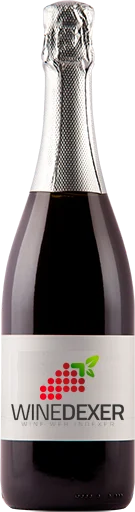
Winery Umani RonchiMetodo Classico Extra Brut
 Sparkling wine



This wine generally goes well with pork, vegetarian or poultry.

Wine flavors and olphactive analysis



On the nose the Metodo Classico Extra Brut of Winery Umani Ronchi in the region of Marche often reveals types of flavors of microbio.
Food and wine pairings with Metodo Classico Extra Brut
Pairings that work perfectly with Metodo Classico Extra Brut



Original food and wine pairings with Metodo Classico Extra Brut



The Metodo Classico Extra Brut of Winery Umani Ronchi matches generally quite well with dishes of pork, rich fish (salmon, tuna etc) or shellfish such as recipes of italian pasta, gratin of ravioli with salmon or carri of shrimps with chillies.
Details and technical informations about Winery Umani Ronchi's Metodo Classico Extra Brut.
Discover the grape variety: Chardonnay
Whites with many faces: mineral and taut at Chablis (lemon, green apple, flint), opulent and buttery at Meursault and Puligny-Montrachet (hazelnut, brioche, yellow fruits), tense and chalky in Champagne (Blanc de Blancs). Also vinified sparkling and widely exported (Sonoma, Margaret River, Casablanca). A Burgundian variety, a cross of Pinot Noir × Gouais Blanc, half-sibling of Aligoté.
Last vintages of this wine
The best vintages of Metodo Classico Extra Brut from Winery Umani Ronchi are 2016, 2014
Informations about the Winery Umani Ronchi
The Winery Umani Ronchi is one of of the world's great estates. It offers 65 wines for sale in the of Marche to come and discover on site or to buy online.

The wine region of Marche
Italian star of Verdicchio: exceptional age-worthy whites, straight and mineral with signature notes of green almond, lemon, green apple, dry herbs and a slightly bitter finish. Two DOCGs: Castelli di Jesi (coastal, airy) and Matelica (inland, more concentrated). Mediterranean reds: fleshy Montepulciano in Rosso Conero near Ancona, supple Sangiovese. Also fresh Pecorino and Passerina.
The word of the wine: Flow
Action consisting of draining the wine from a vat of red wine (free-run wine), the marc then being pressed to obtain the press wine.