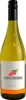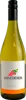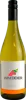
Winery ArringtonHoneysuckle
 Sweet wine
This wine generally goes well with poultry, rich fish (salmon, tuna etc) or mild and soft cheese.

Wine flavors and olphactive analysis

On the nose the Honeysuckle of Winery Arrington in the region of Tennessee often reveals types of flavors of floral.
Food and wine pairings with Honeysuckle
Pairings that work perfectly with Honeysuckle



Original food and wine pairings with Honeysuckle


The Honeysuckle of Winery Arrington matches generally quite well with dishes of rich fish (salmon, tuna etc), spicy food or sweet desserts such as recipes of leek and fresh salmon tart, chicken massala or tiramisu (original recipe).
Details and technical informations about Winery Arrington's Honeysuckle.
Discover the grape variety: Gewurztraminer
Full-bodied, exotic whites, rich and heady, with moderate acidity, showing opulent aromas of lychee, rose, mango, ginger, pink grapefruit and gentle spice. Made as aromatic dry, moelleux late-harvest and liquorous sélection de grains nobles. Star of Alsace AOC (one of the four noble varieties) and signature of Alto Adige (Tramin), Palatinate and Germany. A pink mutation of Traminer.
Informations about the Winery Arrington
The Winery Arrington is one of of the world's great estates. It offers 42 wines for sale in the of Tennessee to come and discover on site or to buy online.

The wine region of Tennessee
Wine state of the American Southeast, humid subtropical climate forcing native resistant grapes. Muscadine signature king grape: fruity accessible wines with signature notes of fresh grape, tropical fruits, white flowers and musky touch — often sweet or off-dry in typical Southern style. Vidal Blanc fresh hybrid (pear, citrus), Chambourcin supple red (cherry, spices), more structured Norton (blackberry, earth). 2 AVAs including Nine Lakes (2026).
The word of the wine: Maceration
Prolonged contact and exchange between the juice and the grape solids, especially the skin. Not to be confused with the time of fermentation, which follows maceration. The juice becomes loaded with colouring matter and tannins, and acquires aromas. For a rosé, the maceration is short so that the colour does not "rise" too much. For white wines too, a "pellicular maceration" can be practised, which allows the wine to acquire more fat.