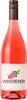
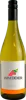
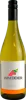
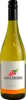
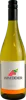
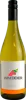
Winery AleksandrovicTrijumf Late Harvest
 Sweet wine


This wine generally goes well with poultry, rich fish (salmon, tuna etc) or mild and soft cheese.

Wine flavors and olphactive analysis

On the nose the Trijumf Late Harvest of Winery Aleksandrovic in the region of Central Serbia often reveals types of flavors of earth.
Food and wine pairings with Trijumf Late Harvest
Pairings that work perfectly with Trijumf Late Harvest



Original food and wine pairings with Trijumf Late Harvest


The Trijumf Late Harvest of Winery Aleksandrovic matches generally quite well with dishes of rich fish (salmon, tuna etc), spicy food or sweet desserts such as recipes of tuna, goat cheese and mustard pie, couscous from the sea or chocolate fondant.
Details and technical informations about Winery Aleksandrovic's Trijumf Late Harvest.
Discover the grape variety: Gewurztraminer
Full-bodied, exotic whites, rich and heady, with moderate acidity, showing opulent aromas of lychee, rose, mango, ginger, pink grapefruit and gentle spice. Made as aromatic dry, moelleux late-harvest and liquorous sélection de grains nobles. Star of Alsace AOC (one of the four noble varieties) and signature of Alto Adige (Tramin), Palatinate and Germany. A pink mutation of Traminer.
Last vintages of this wine

The best vintages of Trijumf Late Harvest from Winery Aleksandrovic are 2013, 0, 2016
Informations about the Winery Aleksandrovic
The Winery Aleksandrovic is one of of the world's great estates. It offers 29 wines for sale in the of Central Serbia to come and discover on site or to buy online.

The wine region of Central Serbia
Wine heart of Serbia, mosaic vineyards between 200-500 m on the Morava valleys. Signature Prokupac, an autochthonous grape documented since the 14th c. : deep ruby reds with signature notes of red fruits (cherry, raspberry), sweet spices, dried herbs and a peppery touch, balanced tannins and a fresh palate — a Serbian identity. Also dense, fleshy Vranac (blackberry, leather), aromatic Tamjanika (local Muscat).
The word of the wine: Extra-dry
Champagne with between 12 and 20 grams of sugar (see dosage liqueur).