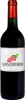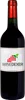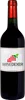
Winery Ahr WinzerSpätburgunder Lieblich
 Red wine


In the mouth this red wine is a with a nice freshness.
This wine generally goes well with poultry, beef or veal.

Taste structure of the Spätburgunder Lieblich from the Winery Ahr Winzer
Light | Bold | |
Smooth | Tannic | |
Dry | Sweet | |
Soft | Acidic |
In the mouth the Spätburgunder Lieblich of Winery Ahr Winzer in the region of Ahr is a with a nice freshness.
Food and wine pairings with Spätburgunder Lieblich
Pairings that work perfectly with Spätburgunder Lieblich



Original food and wine pairings with Spätburgunder Lieblich

The Spätburgunder Lieblich of Winery Ahr Winzer matches generally quite well with dishes of beef, veal or game (deer, venison) such as recipes of beef tagliata with truffle oil, vitello tonnato or wild boar ragout with kriek.
Details and technical informations about Winery Ahr Winzer's Spätburgunder Lieblich.
Discover the grape variety: Moscatel de Alejandría
Intensely aromatic muscated whites with a pale golden to amber robe, an ample, rounded palate, and signature aromas of muscat, white flowers (orange blossom, jasmine), exotic fruits and fresh grape. Mainly in naturally sweet and concentrated liqueur wines. Star of Málaga DO, Moscatel de Valencia DO, Setúbal DOC, Passito di Pantelleria DOC and Maghrebi Muscats. Spanish synonym for Muscat of Alexandria, a historic aromatic variety from the eastern Mediterranean.
Last vintages of this wine
The best vintages of Spätburgunder Lieblich from Winery Ahr Winzer are 0, 2017
Informations about the Winery Ahr Winzer
The Winery Ahr Winzer is one of of the world's greatest estates. It offers 29 wines for sale in the of Ahr to come and discover on site or to buy online.

The wine region of Ahr
Small German valley south of Bonn, the country's largest contiguous single red-grape zone. Signature Spatburgunder (Pinot Noir) (>60%): elegant, structured reds with signature notes of cherry, raspberry, wild strawberry, undergrowth and sweet spice, silky tannins and taut freshness — Burgundian style in an improbable climate. Also early Fruhburgunder, fleshier. ~560 ha on steep slopes over schist and slate, sheltered temperate microclimate.
The word of the wine: Fade in
Said of a wine whose different elements are perceived in the mouth in a pleasant and harmonious way.