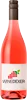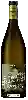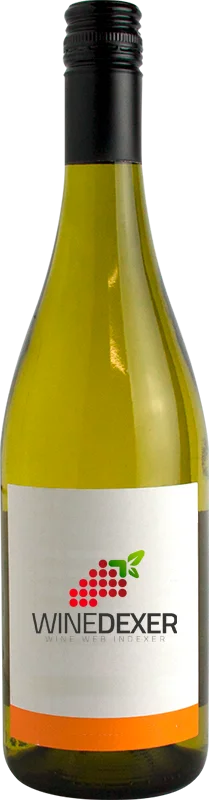
Winery Vom Schlosskeller B. GiauqueChasselas
 White wine
In the mouth this white wine is a with a nice freshness.
This wine generally goes well with poultry, lean fish or mild and soft cheese.
Taste structure of the Chasselas from the Winery Vom Schlosskeller B. Giauque
Light | Bold | |
Dry | Sweet | |
Soft | Acidic |
In the mouth the Chasselas of Winery Vom Schlosskeller B. Giauque in the region of Neuchâtel is a with a nice freshness.
Food and wine pairings with Chasselas
Pairings that work perfectly with Chasselas



Original food and wine pairings with Chasselas

The Chasselas of Winery Vom Schlosskeller B. Giauque matches generally quite well with dishes of poultry, lean fish or mild and soft cheese such as recipes of nanie's diced ham quiche, sauerkraut with fish or pizza cone.
Details and technical informations about Winery Vom Schlosskeller B. Giauque's Chasselas.
Discover the grape variety: Chasselas
Chasselas rosé is a grape variety that originated in France. It produces a variety of grape used to make wine. However, it can also be found eating on our tables! This variety of vine is characterized by medium-sized bunches and medium-sized grapes. Chasselas rosé can be found in several vineyards: Alsace, South-West, Cognac, Bordeaux, Loire Valley, Rhone Valley, Languedoc & Roussillon, Provence & Corsica, Savoie & Bugey, Beaujolais.
Informations about the Winery Vom Schlosskeller B. Giauque
The Winery Vom Schlosskeller B. Giauque is one of of the world's greatest estates. It offers 10 wines for sale in the of Neuchâtel to come and discover on site or to buy online.

The wine region of Neuchâtel
Neuchatel is one of the smaller wine regions of Switzerland, located in the French-speaking western half of the country, North of the much larger Vaud area. Much like its neighbour, Chasselas dominates white plantings here, however Pinot Noir is more significant here, as is the reputation of Neuchatel's rosés. The region is generally referred to as the 'Three Lakes' as the region - and the four AOCs within it - are found on the relatively low-lying, flatter land, centered around the lakes of Morat, Bienne and Neuchatel. The region also covers three neighbouring Swiss cantons.
The word of the wine: Old vines
There are no specific regulations governing the term "vieilles vignes". After 20 to 25 years, the yields stabilize and tend to decrease, the vines are deeply rooted, and the grapes that come from them give richer, more concentrated, more sappy wines, expressing with more nuance the characteristics of their terroir. It is possible to find plots of vines that claim to be a century old.