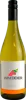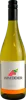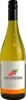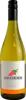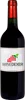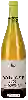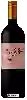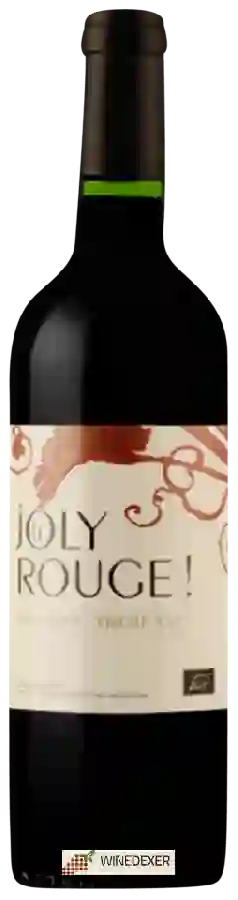
Winery Virgile JolyLe Joly Rouge
 Red wine



In the mouth this red wine is a powerful with a nice balance between acidity and tannins.
This wine generally goes well with beef, veal or pasta.

Taste structure of the Le Joly Rouge from the Winery Virgile Joly
Light | Bold | |
Smooth | Tannic | |
Dry | Sweet | |
Soft | Acidic |
In the mouth the Le Joly Rouge of Winery Virgile Joly in the region of Languedoc-Roussillon is a powerful with a nice balance between acidity and tannins.
Wine flavors and olphactive analysis



On the nose the Le Joly Rouge of Winery Virgile Joly in the region of Languedoc-Roussillon often reveals types of flavors of cherry, blackberry or white pepper and sometimes also flavors of non oak, oak or spices.
Food and wine pairings with Le Joly Rouge
Pairings that work perfectly with Le Joly Rouge



Original food and wine pairings with Le Joly Rouge
The Le Joly Rouge of Winery Virgile Joly matches generally quite well with dishes of beef, pasta or veal such as recipes of braised beef with carrots, capellini with vegetables or veal breast with new vegetables.
Details and technical informations about Winery Virgile Joly's Le Joly Rouge.
Discover the grape variety: Zalema
Simple, fresh whites best drunk young, with a pale golden robe, an airy palate with moderate acidity, and discreet signature aromas of citrus (lemon), green apple and floral notes. Also a base for fortified wines and Andalusian mistelles. A historic pillar of Huelva wines, also used for fortified wines and mistelles in south-west Spain. Native Spanish white grape of Andalusia, grown in Condado de Huelva.
Last vintages of this wine
The best vintages of Le Joly Rouge from Winery Virgile Joly are 2016, 2015, 2017, 2012 and 2014.
Informations about the Winery Virgile Joly
The Winery Virgile Joly is one of of the world's greatest estates. It offers 28 wines for sale in the of Languedoc to come and discover on site or to buy online.

The wine region of Languedoc
Sunny, generous southern reds: spicy, peppery Syrah, round, candied Grenache (ripe fruit, garrigue), deep Mourvèdre, structured Carignan, supple Cinsault. From robust Corbières and Minervois to fresher Terrasses du Larzac, via Faugères on schist or taut Pic Saint-Loup. Lively, iodised Picpoul de Pinet whites (oysters), ample Roussanne and Marsanne. 14 sub-appellations, ~10,000 ha in regional AOC.
The wine region of Languedoc-Roussillon
Largest single French vineyard, dominated by sunny, generous reds. Spicy Syrah, candied Grenache (ripe fruit, garrigue), structured Carignan, deep Mourvèdre, supple Cinsault. Stars: structured Corbières, Minervois, Faugères, Saint-Chinian; round Côtes-du-Roussillon. Legendary vins doux naturels: Banyuls and Maury (fortified Grenache) with notes of cocoa, fig, prune.
The word of the wine: Vinification of sweet wines
Moelleux and liquoreux wines are characterized by the presence of residual sugars (natural sugar of the grape), not transformed into alcohol under the effect of yeasts. The fermentation is stopped by cold and by the addition of sulphur dioxide (sulphur).