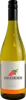
Winery Vinhas de PegõesTouriga Nacional
 Red wine



In the mouth this red wine is a powerful with a lot of tannins present in the mouth.
This wine generally goes well with poultry, beef or veal.

Taste structure of the Touriga Nacional from the Winery Vinhas de Pegões
Light | Bold | |
Smooth | Tannic | |
Dry | Sweet | |
Soft | Acidic |
In the mouth the Touriga Nacional of Winery Vinhas de Pegões in the region of Península de Setúbal is a powerful with a lot of tannins present in the mouth.
Wine flavors and olphactive analysis





On the nose the Touriga Nacional of Winery Vinhas de Pegões in the region of Península de Setúbal often reveals types of flavors of cherry, oaky or smoke and sometimes also flavors of earthy, blackberry or tobacco.
Food and wine pairings with Touriga Nacional
Pairings that work perfectly with Touriga Nacional



Original food and wine pairings with Touriga Nacional

The Touriga Nacional of Winery Vinhas de Pegões matches generally quite well with dishes of beef, pasta or veal such as recipes of savoyard matafans, pasta with chicken or chicken in sauce.
Details and technical informations about Winery Vinhas de Pegões's Touriga Nacional.
Discover the grape variety: Touriga nacional
Deep, concentrated reds with a near-black robe, firm but polished tannins, showing aromas of blackberry, blackcurrant, violet, bergamot, liquorice, black pepper and characteristic floral notes. Pillar of great vintage Ports (Quinta do Noval, Taylor's) and signature of modern dry Douro DOC and Dão DOC. Also exported to Australia and California. Portugal's most noble variety.
Last vintages of this wine
The best vintages of Touriga Nacional from Winery Vinhas de Pegões are 2017, 2019, 2018, 2015 and 2016.
Informations about the Winery Vinhas de Pegões
The Winery Vinhas de Pegões is one of of the world's greatest estates. It offers 11 wines for sale in the of Península de Setúbal to come and discover on site or to buy online.

The wine region of Península de Setúbal
Portuguese peninsula south of Lisbon between the Tagus and Sado estuaries. World-renowned speciality: Moscatel de Setúbal, a golden fortified sweet wine with signature notes of candied orange, dried apricot, honey, fig, currant and sweet spices, long ageing — the rare Roxo version has more floral notes. Also fruity, supple Castelão reds (64%) (blackberry, plum), perfumed Touriga Nacional. Oceanic climate.
The word of the wine: Green harvest or green harvesting
The practice of removing excess bunches of grapes from certain vines, usually in July, but sometimes later. This is often necessary, but not always a good thing, as the remaining grapes tend to gain weight.