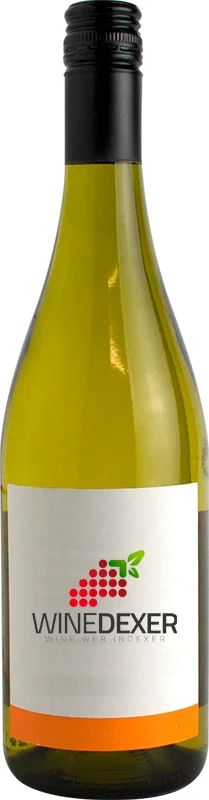
Winery Vin Santo del NonnoFiaschetto
 Sweet wine


This wine generally goes well with poultry, beef or veal.
Food and wine pairings with Fiaschetto
Pairings that work perfectly with Fiaschetto



Original food and wine pairings with Fiaschetto


The Fiaschetto of Winery Vin Santo del Nonno matches generally quite well with dishes of beef, lamb or veal such as recipes of beef bourguignon with cookéo, lamb breast with onions and tomato sauce or veal head with vinaigrette.
Details and technical informations about Winery Vin Santo del Nonno's Fiaschetto.
Discover the grape variety: Grillo
A very ancient grape variety still grown today in western Sicily. Very often associated with catarratto and inzolia, it produces the famous Marsala liqueur wine. It is also increasingly being vinified as a single variety and produces excellent dry wines full of freshness and fruitiness. Grillo is believed to be the result of an intra-fertile cross between catarratto and Muscat of Alexandria or zibibbo, obtained in 1869 by Antonino Mendola. It is represented by two biotypes that can be easily recognized, but it seems that winegrowers attach little importance to them. Little known in other Italian regions - in Liguria it is known as "rossese bianco" - it can also be found in Australia and South Africa. It is not widely grown in France, although it is interesting because of its ability to withstand hot climates and drought, and to ripen quite late.
Last vintages of this wine
The best vintages of Fiaschetto from Winery Vin Santo del Nonno are 0
Informations about the Winery Vin Santo del Nonno
The Winery Vin Santo del Nonno is one of of the world's greatest estates. It offers 5 wines for sale in the of Tuscany to come and discover on site or to buy online.

The wine region of Tuscany
Tuscany is one of the most famous and prolific wine regions in Europe. It is best known for its Dry red wines made from Sangiovese grapes, which dominate production. These include Chianti, Brunello di Montalcino and Vino Nobile di Montepulciano. The region's Vin Santo is also highly prized, as are its passito dessert wines, though these are produced in comparatively tiny quantities.
The word of the wine: Tartar (deposit)
White, chalky deposits that occur as a result of precipitation inside bottles and are often considered by consumers as a defect. They are in fact tartaric salts formed by tartaric acid, potassium and calcium naturally present in the wine. This deposit does not alter the quality of the wine and can be eliminated by a simple decanting.