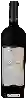
Winery Villaggio ContiPinot Nero
 Red wine



In the mouth this red wine is a .
This wine generally goes well with poultry, beef or veal.
Taste structure of the Pinot Nero from the Winery Villaggio Conti
Light | Bold | |
Smooth | Tannic | |
Dry | Sweet | |
Soft | Acidic |
In the mouth the Pinot Nero of Winery Villaggio Conti in the region of Santa Catarina is a .
Food and wine pairings with Pinot Nero
Pairings that work perfectly with Pinot Nero



Original food and wine pairings with Pinot Nero

The Pinot Nero of Winery Villaggio Conti matches generally quite well with dishes of beef, veal or game (deer, venison) such as recipes of beef stew provencal style, roast veal with black olives or roast deer my grandmother's way.
Details and technical informations about Winery Villaggio Conti's Pinot Nero.
Discover the grape variety: Manseng noir
Manseng noir is a grape variety from the western Pyrenees, close to tannat, a famous grape variety from southwest France. It is also called mansein, mansec or mancep in the Lot. It has been around since the 13th century and has given rise to Petit Manseng and Gros Manseng, two varieties of the same family but with quite different characteristics. Manseng noir remains essential for the AOC Béarn, where it is grown on about ten hectares. However, Manseng noir is a vigorous, productive and disease-resistant grape variety. It gives wines with a colourful robe, powerful, with aromas of black fruits and mushrooms, quite fine and with an interesting ageing potential.
Last vintages of this wine
The best vintages of Pinot Nero from Winery Villaggio Conti are 2019, 2017, 0
Informations about the Winery Villaggio Conti
The Winery Villaggio Conti is one of of the world's great estates. It offers 16 wines for sale in the of Santa Catarina to come and discover on site or to buy online.

The wine region of Santa Catarina
Santa Catarina is a state in the far South of Brazil. Quality wine production is still in its early stages, but is likely to develop rapidly as the industry develops country wide. To date, Santa Catarina's production is a mix of red, white and Sparkling wines. It Lies immediately North of the country's southernmost state (and most prolific wine region), Rio Grande do Sul.
The word of the wine: Plant
Smells present in certain wines and characteristic of the plant world. Heather, mint or blackcurrant leaf are considered pleasant, while herbaceous notes are considered a defect.