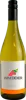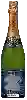
Winery San MicheleBrut 18 Meses
 Sparkling wine



This wine generally goes well with pork, vegetarian or poultry.

Food and wine pairings with Brut 18 Meses
Pairings that work perfectly with Brut 18 Meses



Original food and wine pairings with Brut 18 Meses

The Brut 18 Meses of Winery San Michele matches generally quite well with dishes of pork, rich fish (salmon, tuna etc) or vegetarian such as recipes of wild boar bourguignon, cream and tuna quiche or quiche without eggs.
Details and technical informations about Winery San Michele's Brut 18 Meses.
Discover the grape variety: Chardonnay
Whites with many faces: mineral and taut at Chablis (lemon, green apple, flint), opulent and buttery at Meursault and Puligny-Montrachet (hazelnut, brioche, yellow fruits), tense and chalky in Champagne (Blanc de Blancs). Also vinified sparkling and widely exported (Sonoma, Margaret River, Casablanca). A Burgundian variety, a cross of Pinot Noir × Gouais Blanc, half-sibling of Aligoté.
Last vintages of this wine
The best vintages of Brut 18 Meses from Winery San Michele are 2013, 2014, 2018, 0
Informations about the Winery San Michele
The Winery San Michele is one of of the world's greatest estates. It offers 17 wines for sale in the of Burgundy to come and discover on site or to buy online.

The wine region of Burgundy
Absolute reference for great terroir wines: opulent, mineral Chardonnay in whites (chiselled Chablis, buttery Meursault, majestic Montrachet), fine and silky Pinot Noir in reds (full-bodied Gevrey, structured Pommard, delicate Volnay). Exceptional age-worthy wines with complex notes - red fruits, undergrowth, butter, hazelnut. Some lively Aligoté and light Gamay (Mâconnais). 29,500 ha, 84 tiered AOCs (Régionale, Village, 1er Cru, Grand Cru), 1,247 UNESCO Climats.
The word of the wine: Performance
Quantity of grapes harvested per hectare. In AOC, the average yield is limited on the proposal of the appellation syndicate, validated by the Inao. The use of high-performance plant material (especially clones) and better control of vine diseases have increased yields. This is not without consequences on the quality of the wines (dilution) and on the state of the market (too much wine). We must not over-simplify: low yields are not synonymous with quality, and it is often in years with generous harvests that we find the greatest vintages (1982 and 1986 in Bordeaux, 1996 in Champagne, 1990 and 2005 in Burgundy...).