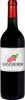
Domaine VicoU Fornu Les Parcellaires
 Red wine


This wine generally goes well with beef, lamb or mature and hard cheese.

Food and wine pairings with U Fornu Les Parcellaires
Pairings that work perfectly with U Fornu Les Parcellaires



Original food and wine pairings with U Fornu Les Parcellaires

The U Fornu Les Parcellaires of Domaine Vico matches generally quite well with dishes of beef, lamb or spicy food such as recipes of beef pot au feu (grandma's style), lamb garam massala or lamb shoulder confit.
Details and technical informations about Domaine Vico's U Fornu Les Parcellaires.
Discover the grape variety: Merlese
Colourful, simple fruity reds with a deep purple colour, soft tannins and an airy palate with moderate acidity, red and black fruit aromas. Productive. Grown in small quantities in France for IGP wines, contributes to southern blends and belongs to modern intraspective hybrids aimed at accessible table wine production. French black variety obtained by complex crossing.
Informations about the Domaine Vico
The Domaine Vico is one of of the world's great estates. It offers 52 wines for sale in the of Vin de Corse to come and discover on site or to buy online.

The wine region of Vin de Corse
Regional AOC covering the Île de Beauté outside the communal AOCs, Mediterranean climate on granite and schist. Signature native trio. Niellucciu as deep red (cousin of Sangiovese): black cherry, blackberry, garrigue, maquis, leather and spices, firm tannins. Sciaccarellu as fine peppery red (strawberry, pepper, herbs), also great rosé.
The wine region of Corsica
Mediterranean island wine region with a triple native face, ~8,000 ha. Niellucciu signature (cousin of Sangiovese) dominates Patrimonio: structured reds with signature notes of black cherry, garrigue, maquis, spices and leather, firm tannins and sun-drenched mouth. Sciaccarellu (min. 60% in Ajaccio) lighter and peppery (strawberry, wild herbs).
The word of the wine: Musky
Characteristic of the musk smell.