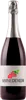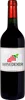
Winery Tularosa VineyardsNew Mexico Sangiovese
 Red wine



This wine generally goes well with pork, poultry or beef.
Food and wine pairings with New Mexico Sangiovese
Pairings that work perfectly with New Mexico Sangiovese



Original food and wine pairings with New Mexico Sangiovese



The New Mexico Sangiovese of Winery Tularosa Vineyards matches generally quite well with dishes of beef, veal or pork such as recipes of fondue with broth, veal tagine with artichokes and lemons or tartiflette (from a real savoyard).
Details and technical informations about Winery Tularosa Vineyards's New Mexico Sangiovese.
Discover the grape variety: Sangiovese
Originally from Italy, it is the famous Sangiovese of Tuscany producing the famous wines of Brunello de Montalcino and Chianti. This variety is registered in the Official Catalogue of Wine Grape Varieties, list A1. According to recent genetic analysis, it is the result of a natural cross between the almost unknown Calabrese di Montenuovo (mother) and Ciliegiolo (father).
Last vintages of this wine
The best vintages of New Mexico Sangiovese from Winery Tularosa Vineyards are 0, 2013
Informations about the Winery Tularosa Vineyards
The Winery Tularosa Vineyards is one of of the world's greatest estates. It offers 9 wines for sale in the of New Mexico to come and discover on site or to buy online.

The wine region of New Mexico
NewMexico is a landlocked state on the southern border of the United States, flanked by Texas to the southeast and Arizona to the west. The state covers 316,000 square kilometers of high-altitude desert between latitudes 31° and 37°. The main Grape varieties used for wine production in New Mexico are Syrah, Viognier, Cabernet Sauvignon, Riesling and Zinfandel. New Mexico has three American Viticultural Areas (AVAs) within its borders, all of which are located at these high altitudes: Middle Rio Grande Valley, Mimbres Valley and Mesilla Valley (which spills over into neighboring Texas).
The word of the wine: Presses
The juice that results from pressing the grapes after fermentation. At the end of the maceration, the vats are emptied, the first juice obtained is called the free-run wine and the marc remaining at the bottom of the vat is then pressed to give the press wine. We say more quickly "the presses". Their quality varies according to the vintage and the maceration. A too vigorous extraction releases the tannins of pips and the wine of press can then prove to be very astringent. Often the winemaker raises it separately, deciding later whether or not to incorporate it totally or partially into the grand vin.