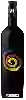
Winery SelvadolceGumbe di Amirai
 Red wine


In the mouth this red wine is a powerful with a lot of tannins present in the mouth.
This wine generally goes well with beef, game (deer, venison) or lamb.

Taste structure of the Gumbe di Amirai from the Winery Selvadolce
Light | Bold | |
Smooth | Tannic | |
Dry | Sweet | |
Soft | Acidic |
In the mouth the Gumbe di Amirai of Winery Selvadolce in the region of Liguria is a powerful with a lot of tannins present in the mouth.
Wine flavors and olphactive analysis

Food and wine pairings with Gumbe di Amirai
Pairings that work perfectly with Gumbe di Amirai



Original food and wine pairings with Gumbe di Amirai

The Gumbe di Amirai of Winery Selvadolce matches generally quite well with dishes of beef, pasta or lamb such as recipes of kig ar farz breton, chinese noodles with vegetables or caramelized lamb mice.
Details and technical informations about Winery Selvadolce's Gumbe di Amirai.
Discover the grape variety: Select
Simple, fresh dry whites with a pale golden robe, a supple palate with moderate acidity, and understated aromas of citrus and white flowers. Discreet, rustic profile. Preserved in a few ampelographic collections for its heritage value, this ancient variety has virtually disappeared from commercial cultivation and is studied for its genetic and historical interest.
Last vintages of this wine
The best vintages of Gumbe di Amirai from Winery Selvadolce are 2017, 0
Informations about the Winery Selvadolce
The Winery Selvadolce is one of of the world's greatest estates. It offers 6 wines for sale in the of Liguria to come and discover on site or to buy online.

The wine region of Liguria
Coastal region of northwest Italy on the Riviera, terraced vineyards among the steepest in Europe (~1,650 ha). Vermentino signature in white: fresh and saline with signature notes of citrus, white flowers, wild herbs, fresh almond and an iodine mineral touch, taut long mouth. Local Pigato similar and ample, mineral Bosco (min. 40% in Cinque Terre), Albarola.
The word of the wine: Second wine
In the Bordeaux vineyard, the second wine is a lesser-aged wine made from the youngest vines, while the main wine of the château is called the "grand vin".