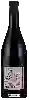
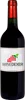
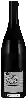
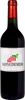
The Winery Scholium Project of California
The Winery Scholium Project is one of the best wineries to follow in Californie.. It offers 52 wines for sale in of California to come and discover on site or to buy online.
Looking for the best Winery Scholium Project wines in California among all the wines in the region? Check out our tops of the best red, white or effervescent Winery Scholium Project wines. Also find some food and wine pairings that may be suitable with the wines from this area. Learn more about the region and the Winery Scholium Project wines with technical and enological descriptions.
How Winery Scholium Project wines pair with each other generally quite well with dishes of pasta, pork or shellfish such as recipes of maultaschen ( swabian ravioli ), beef stew or chinese noodles with shrimp.
On the nose the white wine of Winery Scholium Project. often reveals types of flavors of tree fruit, non oak or earth and sometimes also flavors of oak, spices or red fruit. In the mouth the white wine of Winery Scholium Project. is a powerful with a nice freshness.
California is the largest and most important wine region in the United States. It represents the southern two-thirds (850 miles or 1,370 kilometers) of the country's west coast. (Oregon and Washington make up the rest. ) The state also spans nearly 10 degrees of latitude.
With its mountains, valleys, plains and plateaus, California's topography is as Complex as its Climate, offering winemakers a bewildering array of terroirs. California wines have only gained worldwide recognition in recent decades (especially after the 1976 Paris ruling). However, the state's wine history goes back more than 200 years. European vines were first planted in the 18th century, when settlers and missionaries moved up and down the West Coast.
How Winery Scholium Project wines pair with each other generally quite well with dishes of beef, lamb or poultry such as recipes of beef tongue with vegetables, sri lankan lamb rolls (mutton rolls) or breton galette with buckwheat flour.
On the nose the red wine of Winery Scholium Project. often reveals types of flavors of black cherries, earth or oak and sometimes also flavors of spices, red fruit or black fruit. In the mouth the red wine of Winery Scholium Project. is a powerful with a nice balance between acidity and tannins.
Gewurztraminer rosé is a grape variety that originated in France. It produces a variety of grape specially used for wine making. It is rare to find this grape to eat on our tables. This variety of vine is characterized by small bunches and small grapes. Gewurztraminer rosé can be found in many vineyards: Alsace, Loire Valley, Languedoc & Roussillon, Jura, Champagne, Lorraine, Provence & Corsica, Rhone Valley, Savoie & Bugey, Beaujolais, South West.
How Winery Scholium Project wines pair with each other generally quite well with dishes of shellfish, appetizers and snacks or lean fish such as recipes of lobster armorican style, tempura of vegetables and quick or onigirazu.
On the nose the sparkling wine of Winery Scholium Project. often reveals types of flavors of non oak, earth or tree fruit.
Place where the wine-making process takes place.
How Winery Scholium Project wines pair with each other generally quite well with dishes of beef, lamb or goat cheese such as recipes of traditional hungarian goulash, lamb delight with tomato and cinnamon or bacon and goat cheese chicken wrap.
On the nose the pink wine of Winery Scholium Project. often reveals types of flavors of non oak, oak or spices and sometimes also flavors of citrus fruit, red fruit.
Planning a wine route in the of California? Here are the wineries to visit and the winemakers to meet during your trip in search of wines similar to Winery Scholium Project.
It most certainly originates from the Anjou region and is registered in the official catalogue of wine grape varieties on the A1 list. It can also be found in South Africa, Australia, Argentina, Chile, the United States (California), New Zealand, etc. It is said to be a descendant of Savagnin and to have sauvignonasse as its second parent (Jean-Michel Boursiquot 2019). On the other hand, Chenin blanc is the half-brother of verdelho and sauvignon blanc and is the father of colombard.