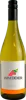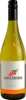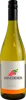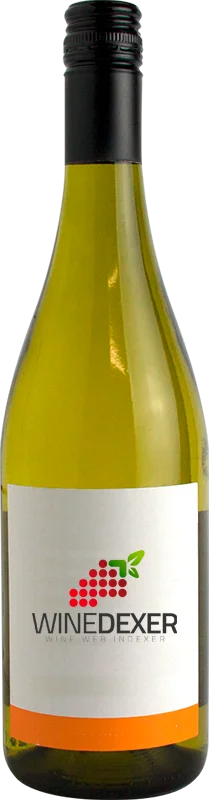
Domaine de RégusseMuscat Moelleux
 White wine
In the mouth this white wine is a powerful.
This wine generally goes well with pork, poultry or rich fish (salmon, tuna etc).

Taste structure of the Muscat Moelleux from the Domaine de Régusse
Light | Bold | |
Dry | Sweet | |
Soft | Acidic |
In the mouth the Muscat Moelleux of Domaine de Régusse in the region of Méditerranée is a powerful.
Food and wine pairings with Muscat Moelleux
Pairings that work perfectly with Muscat Moelleux



Original food and wine pairings with Muscat Moelleux


The Muscat Moelleux of Domaine de Régusse matches generally quite well with dishes of pork, rich fish (salmon, tuna etc) or mature and hard cheese such as recipes of chicken bonne femme, tuna and mayonnaise onigiri or fusillis natalias.
Details and technical informations about Domaine de Régusse's Muscat Moelleux.
Discover the grape variety: Bogazkere
Powerful, tannic reds with an almost black ink-dark robe, firm, astringent tannins and a dense palate, showing intense aromas of blackberry, blackcurrant, black plum, leather, spices, tobacco and balsamic notes. Fine ageing potential. Star of the great Turkish reds on the arid terroirs of south-east Anatolia (Diyarbakır region, Tigris valley), often blended with öküzgözü to soften its structure. Autochthonous Anatolian variety, its name means "throat-burner" in Turkish.
Informations about the Domaine de Régusse
The Domaine de Régusse is one of of the world's great estates. It offers 46 wines for sale in the of Méditerranée to come and discover on site or to buy online.

The wine region of Méditerranée
Vast IGP of south-east France (Provence, Vaucluse, Var, Corsica, Ardèche), 75% rosés. Fresh, fruity rosés with signature notes of strawberry, raspberry, citrus, white flowers and a Mediterranean touch, taut and thirst-quenching on the palate — the quintessential sunny aperitif. Supple reds blending Grenache, Syrah, Cabernet and Merlot (red fruits, garrigue, spice), full whites of Viognier (apricot, flowers) and Chardonnay. Generous everyday wines, expression of the south.
The word of the wine: Deep
A rich, complex wine that lingers on the palate and gradually reveals a strong potential for aroma and structure.