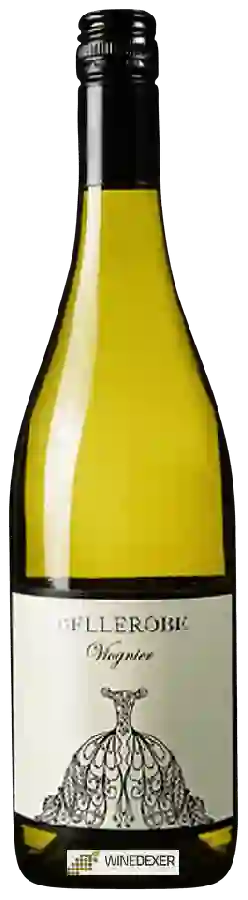
Winery BellerobeViognier
 White wine



This wine generally goes well with pork, poultry or game (deer, venison).

Wine flavors and olphactive analysis




On the nose the Viognier of Winery Bellerobe in the region of Méditerranée often reveals types of flavors of peach, green apple or minerality and sometimes also flavors of melon, earth or microbio.
Food and wine pairings with Viognier
Pairings that work perfectly with Viognier



Original food and wine pairings with Viognier



The Viognier of Winery Bellerobe matches generally quite well with dishes of pork, game (deer, venison) or shellfish such as recipes of zucchini lasagna, quinoa patties with courgettes and fresh goat cheese or yakisoba (fried noodles).
Details and technical informations about Winery Bellerobe's Viognier.
Discover the grape variety: Viognier
Opulent, heady whites, rich and silky, with intense aromas of apricot, yellow peach, mango, violet, honeysuckle and musky, honeyed notes. Discreet acidity, creamy finish. Star of Condrieu AOC and Château-Grillet AOC, co-vinified in Côte-Rôtie with Syrah (up to 20%). Widely exported to California (Central Coast), Australia (Eden Valley) and Languedoc. A Rhône variety.
Last vintages of this wine
The best vintages of Viognier from Winery Bellerobe are 2018, 2017, 2016, 2019 and 2015.
Informations about the Winery Bellerobe
The Winery Bellerobe is one of of the world's greatest estates. It offers 2 wines for sale in the of Méditerranée to come and discover on site or to buy online.

The wine region of Méditerranée
Vast IGP of south-east France (Provence, Vaucluse, Var, Corsica, Ardèche), 75% rosés. Fresh, fruity rosés with signature notes of strawberry, raspberry, citrus, white flowers and a Mediterranean touch, taut and thirst-quenching on the palate — the quintessential sunny aperitif. Supple reds blending Grenache, Syrah, Cabernet and Merlot (red fruits, garrigue, spice), full whites of Viognier (apricot, flowers) and Chardonnay. Generous everyday wines, expression of the south.
The word of the wine: Viscosity
Consistency of wine reminiscent of the tactile sensation of sugar syrup with varying degrees of fluidity, due to the alcohol and natural sugar in the grapes present in sweet wines. In excess, this sensation can make the wine pasty and heavy. To the eye, viscosity is referred to as tears.


