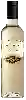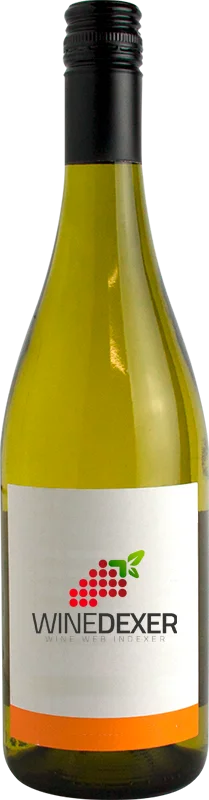
Winery Santa RitaLate Harvest Sémillon - Moscatel
 Sweet wine


This wine generally goes well with poultry, rich fish (salmon, tuna etc) or shellfish.

Food and wine pairings with Late Harvest Sémillon - Moscatel
Pairings that work perfectly with Late Harvest Sémillon - Moscatel



Original food and wine pairings with Late Harvest Sémillon - Moscatel

The Late Harvest Sémillon - Moscatel of Winery Santa Rita matches generally quite well with dishes of rich fish (salmon, tuna etc), shellfish or sweet desserts such as recipes of tomato pie without tomato..., small cuttlefish a la plancha or express cherry clafoutis.
Details and technical informations about Winery Santa Rita's Late Harvest Sémillon - Moscatel.
Discover the grape variety: muscat
Aromatic whites (sometimes reds) ranging from off-dry to luscious, showing powerful signature aromas of muscat, rose, white flowers, fresh grape and exotic fruits. Vinified dry, sweet, liqueur, VDN and sparkling. A family of historic aromatic varieties among the oldest cultivated in the world, including Muscat Blanc à Petits Grains, Muscat d'Alexandrie, Muscat Ottonel and many others. Grown across the Mediterranean and worldwide.
Last vintages of this wine
The best vintages of Late Harvest Sémillon - Moscatel from Winery Santa Rita are 2016, 2017, 2015, 0
Informations about the Winery Santa Rita
The Winery Santa Rita is one of of the world's great estates. It offers 196 wines for sale in the of Maipo Valley to come and discover on site or to buy online.

The wine region of Maipo Valley
"Bordeaux of South America": kingdom of Chilean Cabernet Sauvignon (>50% of plantings). Deep, structured reds with signature notes of ripe blackcurrant, eucalyptus, peppermint, cedar and graphite, firm tannins and long ageing. Also iconic Carmenère (bell pepper, black fruit, spices), round Merlot, fleshy Syrah and fresh Chardonnay. Cradle of icons Almaviva, Don Melchor, Santa Rita.
The wine region of Central Valley
Heart of modern Chilean wine: structured, sunny reds, dense, blackcurranty Cabernet Sauvignon from Maipo (Chilean cradle of the grape), signature Carménère with notes of ripe pepper, black fruit and sweet spices from Colchagua, supple Merlot and deep Syrah. Round Chardonnay whites and lively, sharp Sauvignon. Mediterranean climate, 400 km between Andes and Pacific. Star sub-regions: Maipo, Cachapoal, Colchagua, Curicó, Maule.
The word of the wine: Ampélographie
Study of the vine, and more particularly the grape varieties.