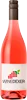
Winery Rue de VinClair
 Pink wine


This wine generally goes well with pork, poultry or veal.

Food and wine pairings with Clair
Pairings that work perfectly with Clair



Original food and wine pairings with Clair


The Clair of Winery Rue de Vin matches generally quite well with dishes of veal, pork or game (deer, venison) such as recipes of beef colombo bourguignon style, jambalaya (louisiana) or quick duck breast with honey.
Details and technical informations about Winery Rue de Vin's Clair.
Discover the grape variety: Pinot noir
Elegant reds, light in colour with silky tannins, showing strawberry, cherry and raspberry aromas, evolving to forest floor, mushroom and spice with age. Fresh acidity, delicate finish. Star of the Côte d'Or (Romanée-Conti, Chambertin, Volnay), pillar of Champagne (Blanc de Noirs) and signature of Oregon, Central Otago and Sonoma Coast. An early-ripening Burgundian variety, one of the world's greatest.
Last vintages of this wine
The best vintages of Clair from Winery Rue de Vin are 2016, 0
Informations about the Winery Rue de Vin
The Winery Rue de Vin is one of of the world's greatest estates. It offers 28 wines for sale in the of Nagano-ken to come and discover on site or to buy online.

The wine region of Nagano-ken
Alpine wine prefecture of central Japan (Honshu), the 2nd national region, high-altitude vineyards (600-900 m). Signature Merlot of Kikyogahara: supple, precise reds with signature notes of plum, cherry, sweet herbs, cedar and a cocoa touch, round tannins and elegant freshness — rivalling the Bordeaux wines. Renowned broad, mineral Chardonnay, fine and silky Pinot Noir. Also historic hybrid grapes (Concord, Niagara).
The word of the wine: Chaptalization
The addition of sugar at the time of fermentation of the must, an ancient practice, but theorized by Jean-Antoine Chaptal at the dawn of the 19th century. The sugar is transformed into alcohol and allows the natural degree of the wine to be raised in a weak or cold year, or - more questionably - when the winegrower has a harvest that is too large to obtain good maturity.