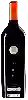
Winery RombolàTrupia
 Red wine


In the mouth this red wine is a powerful.
This wine generally goes well with beef, lamb or pasta.

Taste structure of the Trupia from the Winery Rombolà
Light | Bold | |
Smooth | Tannic | |
Dry | Sweet | |
Soft | Acidic |
In the mouth the Trupia of Winery Rombolà in the region of Calabria is a powerful.
Food and wine pairings with Trupia
Pairings that work perfectly with Trupia



Original food and wine pairings with Trupia
The Trupia of Winery Rombolà matches generally quite well with dishes of beef, pasta or lamb such as recipes of salmon with cream sauce, lasagna calabrese or lamb shoulder confit with harissa.
Details and technical informations about Winery Rombolà's Trupia.
Discover the grape variety: Cabernet-Sauvignon
Structured, tannic reds, deeply coloured, with aromas of blackcurrant, blackberry, cedar, tobacco and graphite, underpinned by firm acidity and fine ageing potential. Cornerstone of the great Médoc estates (Pauillac, Saint-Estèphe, Saint-Julien) and signature of Napa Valley, Coonawarra and Maipo. The world's most planted red variety, a natural cross of Cabernet Franc x Sauvignon Blanc born in Bordeaux.
Last vintages of this wine
The best vintages of Trupia from Winery Rombolà are 2010, 0
Informations about the Winery Rombolà
The Winery Rombolà is one of of the world's greatest estates. It offers 3 wines for sale in the of Calabria to come and discover on site or to buy online.

The wine region of Calabria
Italy's far south between the Ionian and Tyrrhenian seas, a millennia-old tradition (Greek "Oenotria"). Emblematic Gaglioppo (the "black prince"): sun-drenched reds with signature notes of black cherry, candied plum, garrigue, tobacco, spice and balsamic notes, firm tannins — peaking at Ciro DOC on the Ionian coast. Also fleshy Magliocco, dense Nerello, Greco Bianco in a fresh, almondy white, ample Mantonico. Hot Mediterranean climate, volcanic and clay-sandy soils.
The word of the wine: Balsamic
Aromas reminiscent of balsam, resin, incense, but also vanilla or liquorice wood.