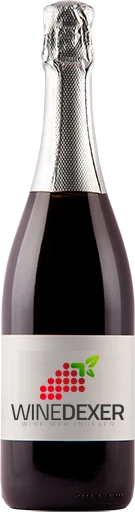
Winery Rodaro PaoloPas Dosè Brut Nature Metodo Classico
 Sparkling wine



This wine generally goes well with pork, poultry or veal.
Food and wine pairings with Pas Dosè Brut Nature Metodo Classico
Pairings that work perfectly with Pas Dosè Brut Nature Metodo Classico



Original food and wine pairings with Pas Dosè Brut Nature Metodo Classico


The Pas Dosè Brut Nature Metodo Classico of Winery Rodaro Paolo matches generally quite well with dishes of veal, pork or game (deer, venison) such as recipes of bigos (polish sauerkraut with paprika), pumpkin and bacon pie or duck casserole with turnips.
Details and technical informations about Winery Rodaro Paolo's Pas Dosè Brut Nature Metodo Classico.
Discover the grape variety: Pinot noir
Pinot noir is an important red grape variety in Burgundy and Champagne, and its reputation is well known! Great wines such as the Domaine de la Romanée Conti elaborate their wines from this famous grape variety, and make it a great variety. When properly vinified, pinot noit produces red wines of great finesse, with a wide range of aromas depending on its advancement (fruit, undergrowth, leather). it is also the only red grape variety authorized in Alsace. Pinot Noir is not easily cultivated beyond our borders, although it has enjoyed some success in Oregon, the United States, Australia and New Zealand.
Last vintages of this wine
The best vintages of Pas Dosè Brut Nature Metodo Classico from Winery Rodaro Paolo are 2013, 2016, 0
Informations about the Winery Rodaro Paolo
The Winery Rodaro Paolo is one of of the world's greatest estates. It offers 1 wines for sale in the of Friuli-Venezia Giulia to come and discover on site or to buy online.

The wine region of Friuli-Venezia Giulia
Friuli-Venezia Giulia is an autonomous region in Italy, located in the extreme Northeast of the country, bordered by Austria and Slovenia to the north and east respectively. The eponymous wine region has four DOCGs, twelve DOCs and three PGIs and is best known for its white wine production. 77% of the region's wines are white, one of the highest proportions of any Italian region. The region's wines are distinctly different from other Italian wines in that they are made from non-traditional Grape varieties such as Sauvignon blanc, Riesling and Pinot blanc, as well as typically Italian varieties such as pinot gris and picolit.
The word of the wine: Local wine
Table wine, but with the origin indicated. It corresponds to a particular legislation: the freedom to use grape varieties is greater than for the AOC, but the quality criteria such as the approval tastings can sometimes be more demanding. The legislation is still evolving, but for the moment there are three levels: regional (e.g. Vin de Pays d'Oc), departmental and local (e.g. Côtes de Thongue).