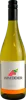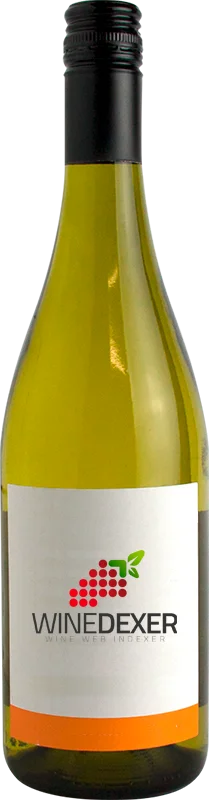
Winery Product de AldeaGaia Verdejo - Sauvignon Blanc
 White wine
This wine generally goes well with pork, vegetarian or rich fish (salmon, tuna etc).

Food and wine pairings with Gaia Verdejo - Sauvignon Blanc
Pairings that work perfectly with Gaia Verdejo - Sauvignon Blanc



Original food and wine pairings with Gaia Verdejo - Sauvignon Blanc


The Gaia Verdejo - Sauvignon Blanc of Winery Product de Aldea matches generally quite well with dishes of pork, rich fish (salmon, tuna etc) or shellfish such as recipes of peasant minestrone, papillotes of mackerel or waterzooï of the sea.
Details and technical informations about Winery Product de Aldea's Gaia Verdejo - Sauvignon Blanc.
Discover the grape variety: Verdejo
Lively, aromatic whites with sharp acidity and a sleek palate, with intense aromas of grapefruit, lime, fresh herbs, fennel, green almond and saline notes. Typically slightly bitter finish. Absolute star of Rueda DO in Castile-León, now widely exported. Also made as lees-aged and oak-influenced structured cuvées. Native Spanish variety, an ancient Castilian grape.
Informations about the Winery Product de Aldea
The Winery Product de Aldea is one of of the world's greatest estates. It offers 10 wines for sale in the of Galice to come and discover on site or to buy online.

The wine region of Galice
Oceanic northwest Spain, cradle of the great Iberian whites. Signature Albarino of Rias Baixas: lively, saline whites with signature notes of citrus, white peach, white flowers, fresh almond and iodine minerality, a taut palate — a perfect match for Atlantic seafood. Also premium Godello (pear, citrus, butter), aromatic Treixadura. Supple Mencia reds (raspberry, herbs, graphite).
The word of the wine: Draft liquor
Liqueur composed of sugar dissolved in wine, used for the dosage of sparkling wines made by the traditional method. It is also known as "liqueur d'expédition" or "liqueur de dosage".