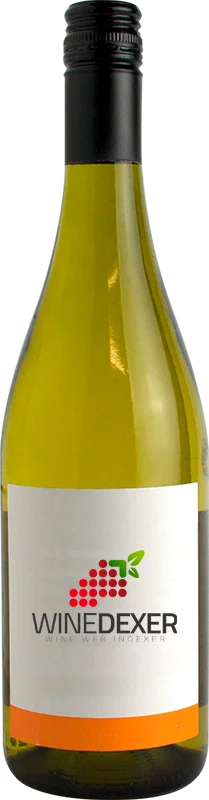
Winery PnevmatikakisSpring (Άνοιξη) Red
 Sweet wine
This wine generally goes well with beef, lamb or mature and hard cheese.
The Spring (Άνοιξη) Red of the Winery Pnevmatikakis is in the top 10 of wines of Crete.

Food and wine pairings with Spring (Άνοιξη) Red
Pairings that work perfectly with Spring (Άνοιξη) Red



Original food and wine pairings with Spring (Άνοιξη) Red

The Spring (Άνοιξη) Red of Winery Pnevmatikakis matches generally quite well with dishes of beef, lamb or spicy food such as recipes of sauté of lamb with curry, ramadan berber soup (harira) or traditional hungarian goulash.
Details and technical informations about Winery Pnevmatikakis's Spring (Άνοιξη) Red.
Discover the grape variety: Gamay teinturier de Chaudenay
Deeply coloured reds with an almost opaque intense purple robe, a simple and supple palate, soft tannins and basic aromas of black fruits with inky notes. Teinturier profile with red pulp. Once used to intensify the colour of blends, now marginal, surviving in a few Beaujolais parcels and ampelographic collections. Teinturier variety of Gamay obtained at Chaudenay (Beaujolais) in the 19th century.
Informations about the Winery Pnevmatikakis
The Winery Pnevmatikakis is one of of the world's great estates. It offers 59 wines for sale in the of Crete to come and discover on site or to buy online.

The wine region of Crete
Largest Greek island and 2nd national wine region, millennia-old Minoan heritage. Signature native Vidiano in whites, rediscovered jewel: ample, expressive with signature apricot, yellow peach, white flowers, honey, tropical fruit and a mineral touch, round and long palate. Also fresh lemony Vilana, rare Plyto and Thrapsathiri. Liatiko reds (most planted) supple with cherry, dried herbs and spice; fruity Kotsifali, tannic Mandilari.
The word of the wine: Reassembly
During the vinification process, a "cap" is formed at the top of the vats with the solid parts (skin, pulp, pips, etc.), which contain tannins and colouring elements. Pumping over consists of emptying the vat from the bottom and pouring the juice back to the top, in order to mix the cap and the juice and to favour the exchange and the extraction. This old technique allows a better exchange between the solid parts and the liquid.