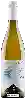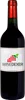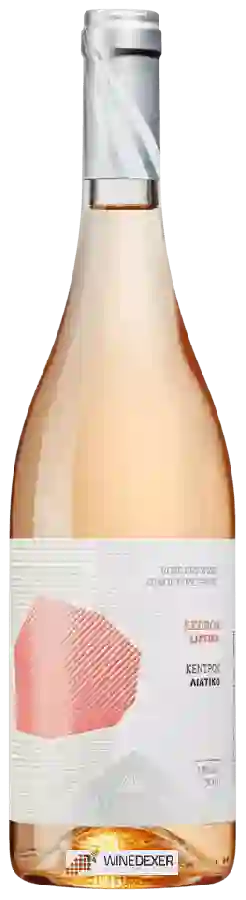
Winery LyrarakisKedros Liatiko Rosé
 Pink wine



This wine generally goes well with

Wine flavors and olphactive analysis



On the nose the Kedros Liatiko Rosé of Winery Lyrarakis in the region of Crete often reveals types of flavors of cherry, citrus or minerality and sometimes also flavors of strawberries, raspberry or tomatoes.
Details and technical informations about Winery Lyrarakis's Kedros Liatiko Rosé.
Discover the grape variety: Limnio
Structured, elegant reds with a deep ruby colour, firm, smooth tannins and an ample palate with fresh acidity, signature aromas of red fruits (cherry, raspberry), Mediterranean herbs (thyme, rosemary) and saline iodine notes. Ageing potential. Star of the great reds of the Aegean islands, especially on Limnos. Indigenous Greek black variety, one of the oldest cited (by Hesiod and Aristotle).
Last vintages of this wine
The best vintages of Kedros Liatiko Rosé from Winery Lyrarakis are 2019, 2018, 2017, 2016
Informations about the Winery Lyrarakis
The Winery Lyrarakis is one of of the world's great estates. It offers 59 wines for sale in the of Crete to come and discover on site or to buy online.

The wine region of Crete
Largest Greek island and 2nd national wine region, millennia-old Minoan heritage. Signature native Vidiano in whites, rediscovered jewel: ample, expressive with signature apricot, yellow peach, white flowers, honey, tropical fruit and a mineral touch, round and long palate. Also fresh lemony Vilana, rare Plyto and Thrapsathiri. Liatiko reds (most planted) supple with cherry, dried herbs and spice; fruity Kotsifali, tannic Mandilari.
The word of the wine: Perfume
A pleasant scent most commonly associated with the world of flowers.