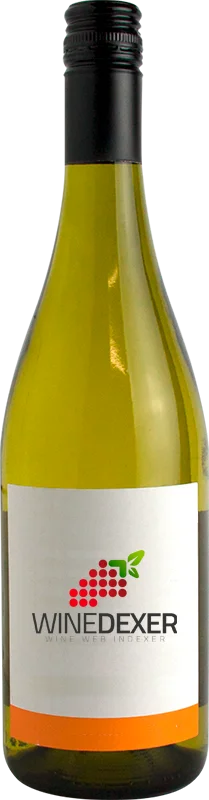
Winery PintusBranco
 White wine


In the mouth this white wine is a powerful.
This wine generally goes well with pork, lean fish or shellfish.

Taste structure of the Branco from the Winery Pintus
Light | Bold | |
Dry | Sweet | |
Soft | Acidic |
In the mouth the Branco of Winery Pintus in the region of Alentejano is a powerful.
Food and wine pairings with Branco
Pairings that work perfectly with Branco



Original food and wine pairings with Branco

The Branco of Winery Pintus matches generally quite well with dishes of pasta, pork or shellfish such as recipes of cannelloni of meat, nanie's diced ham quiche or paella josé style.
Details and technical informations about Winery Pintus's Branco.
Discover the grape variety: Corvinone
Structured, intense reds with a deep robe and firm tannins, featuring aromas of black cherry, blackberry, plum, spices and balsamic notes. Highly suited to drying thanks to its large thick-skinned berries, developing candied fruit and chocolate nuances at concentration. A fully recognised pillar of the great Amarone della Valpolicella DOCG and Recioto della Valpolicella DOCG. Native Venetian grape.
Last vintages of this wine
The best vintages of Branco from Winery Pintus are 2018, 0, 2019, 2017 and 2016.
Informations about the Winery Pintus
The Winery Pintus is one of of the world's greatest estates. It offers 3 wines for sale in the of Alentejano to come and discover on site or to buy online.

The wine region of Alentejano
Star of southern Portugal's great reds, sunny and opulent wines. Typical blends: round fruity Aragonez (Tempranillo), spicy Trincadeira, Touriga Nacional (black fruits, violet), deep teinturier Alicante Bouschet, juicy Castelão. Fleshy reds with notes of plum, black cherry, cocoa and sweet spices, melted tannins. Ample fresh Antão Vaz and Arinto whites.
The word of the wine: Trimmer
Elevated tractor that allows you to pass through the vineyards by straddling them.