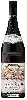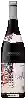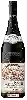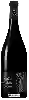
Winery Pierre DucheneCôte-Rôtie
 Red wine
This wine generally goes well with poultry, beef or game (deer, venison).

Food and wine pairings with Côte-Rôtie
Pairings that work perfectly with Côte-Rôtie



Original food and wine pairings with Côte-Rôtie

The Côte-Rôtie of Winery Pierre Duchene matches generally quite well with dishes of beef, lamb or game (deer, venison) such as recipes of braised beef with carrots, tajine of mutton or rabbit legs with mushrooms.
Details and technical informations about Winery Pierre Duchene's Côte-Rôtie.
Discover the grape variety: Tamaioasa Romaneasca
Intensely aromatic whites in dry, sweet and liqueur styles; pale golden to amber hue; ample, fragrant palate; powerful muscat signature aromas of rose, fresh grape, white flowers (orange blossom), exotic fruits (lychee), honey and characteristic incense notes. Star of Cotnari DOC, Murfatlar DOC and Pietroasa DOC sweet and liqueur wines. Native Romanian white grape, its name evokes incense ("tamaie"), a local variant of Muscat Blanc à Petits Grains.
Informations about the Winery Pierre Duchene
The Winery Pierre Duchene is one of wineries to follow in Côte-Rôtie.. It offers 6 wines for sale in the of Côte-Rôtie to come and discover on site or to buy online.

The wine region of Côte-Rôtie
Mythical cru of the northern Rhône with vertiginous slopes: signature Syrah as king red (≥80%) co-fermented with up to 20% Viognier — deep robe with signature aromas of violet, raspberry, blackberry, black olive, smoked bacon, black pepper and a leather touch, fine tannins and signature aromatic finish. Structured Côte Brune (schists) and floral Côte Blonde (granites). AOC (1940), ~300 ha of terraces on Ampuis, ages 10-30 years. Historic cradle of the northern Rhône.
The wine region of Rhone Valley
France's 2nd-largest AOC vineyard, two complementary worlds. Northern: pure Syrah in signature reds (Côte-Rôtie, Hermitage, Cornas), deep and peppery with blackberry, violet, black olive and smoked bacon notes, exceptional ageing. Opulent Viognier whites (Condrieu, apricot, flowers) and ample Marsanne-Roussanne. Southern: sun-soaked Grenache blends at Châteauneuf, Gigondas, Vacqueyras (candied fruit, garrigue).
The word of the wine: Organic (agriculture)
A type of agriculture (and therefore viticulture) based on respect for living organisms and biological cycles, and which excludes the use of synthetic treatment products and synthetic fertilizers. Organic farming is guaranteed by the respect of a set of specifications.